Same bag, different fabric. Same logo, six ways to apply it.
When buyers compare quotes, most of the difference hides in two lists: the fabric the factory actually used, and the way the logo is actually applied. This page shows both, side by side — the materials we build with most, the branding techniques we finish with, and the construction terms you will see on our spec sheets.
The fabrics we build with, up close
Zoomed swatches of the materials behind most of our production. Weight (denier or mm) is the number that moves price; the weave and coating decide how it ages.
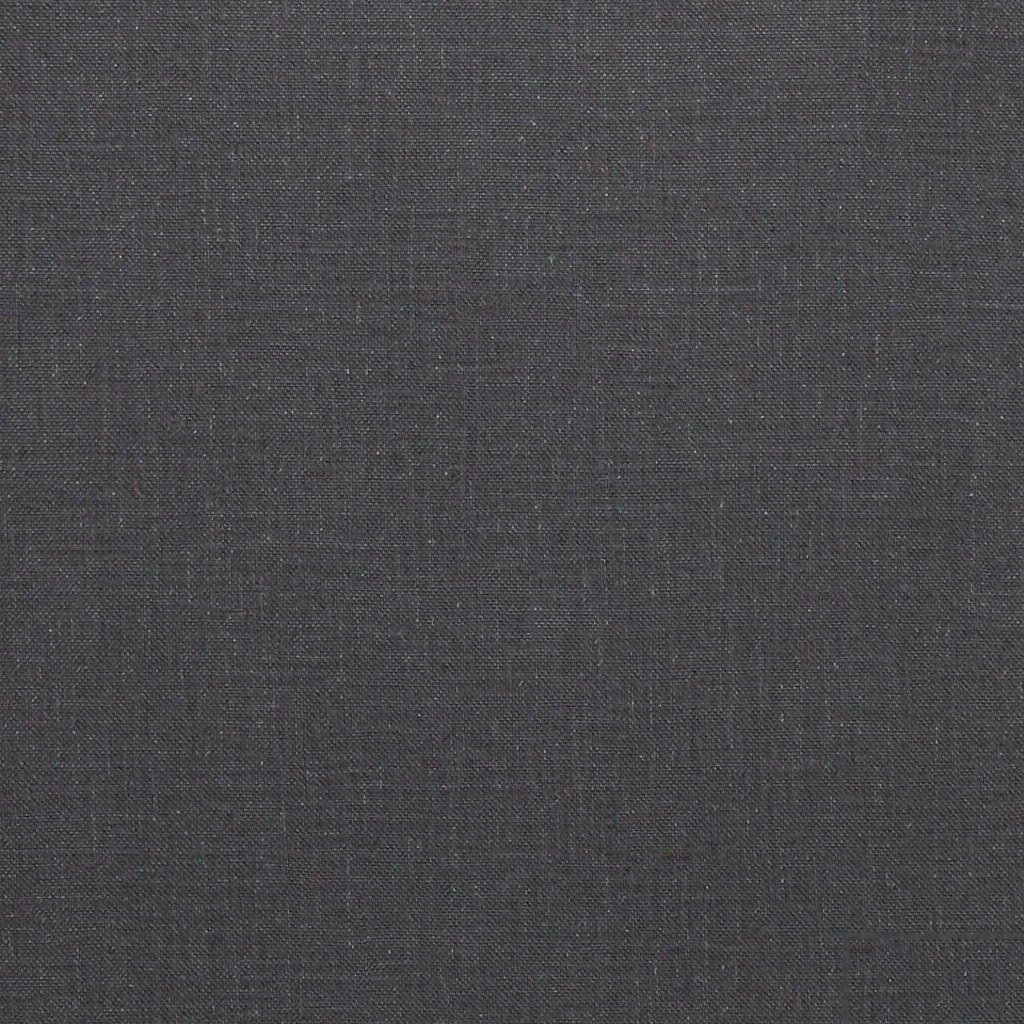
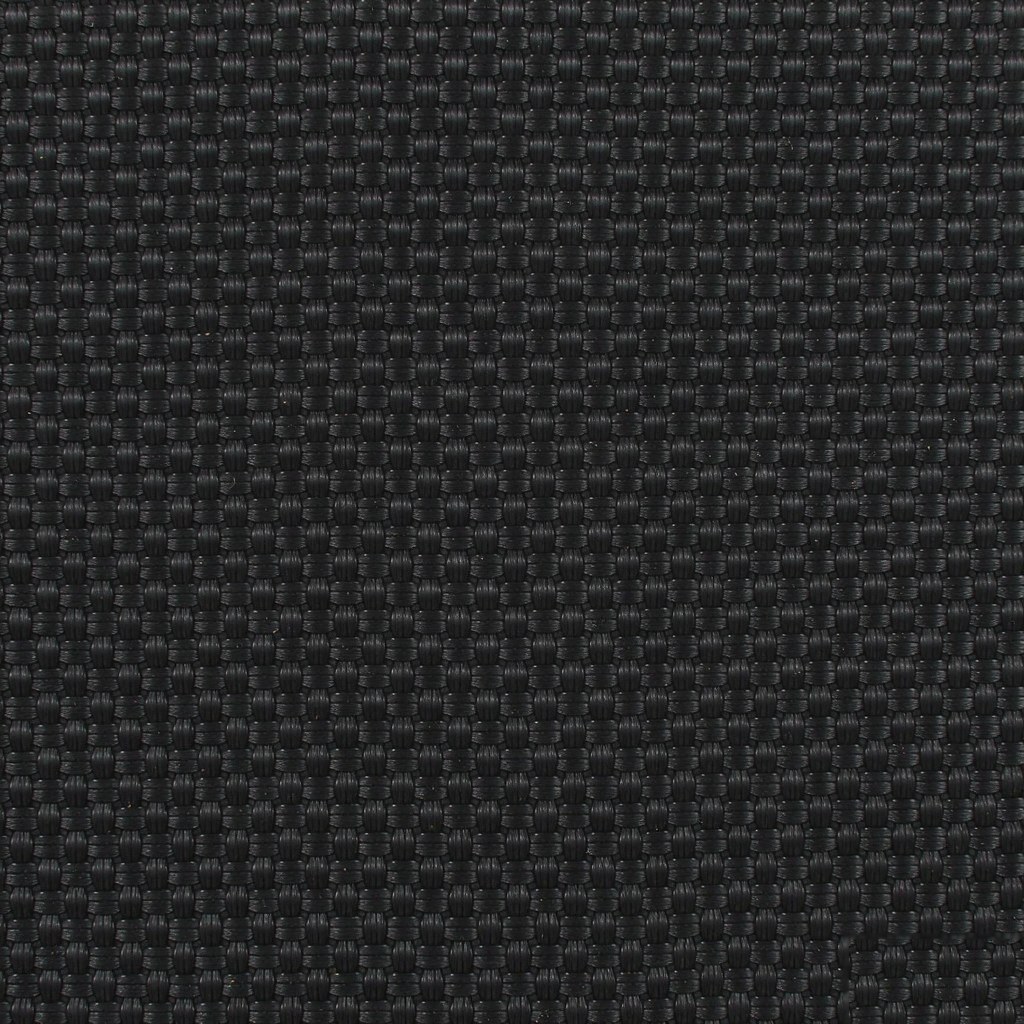
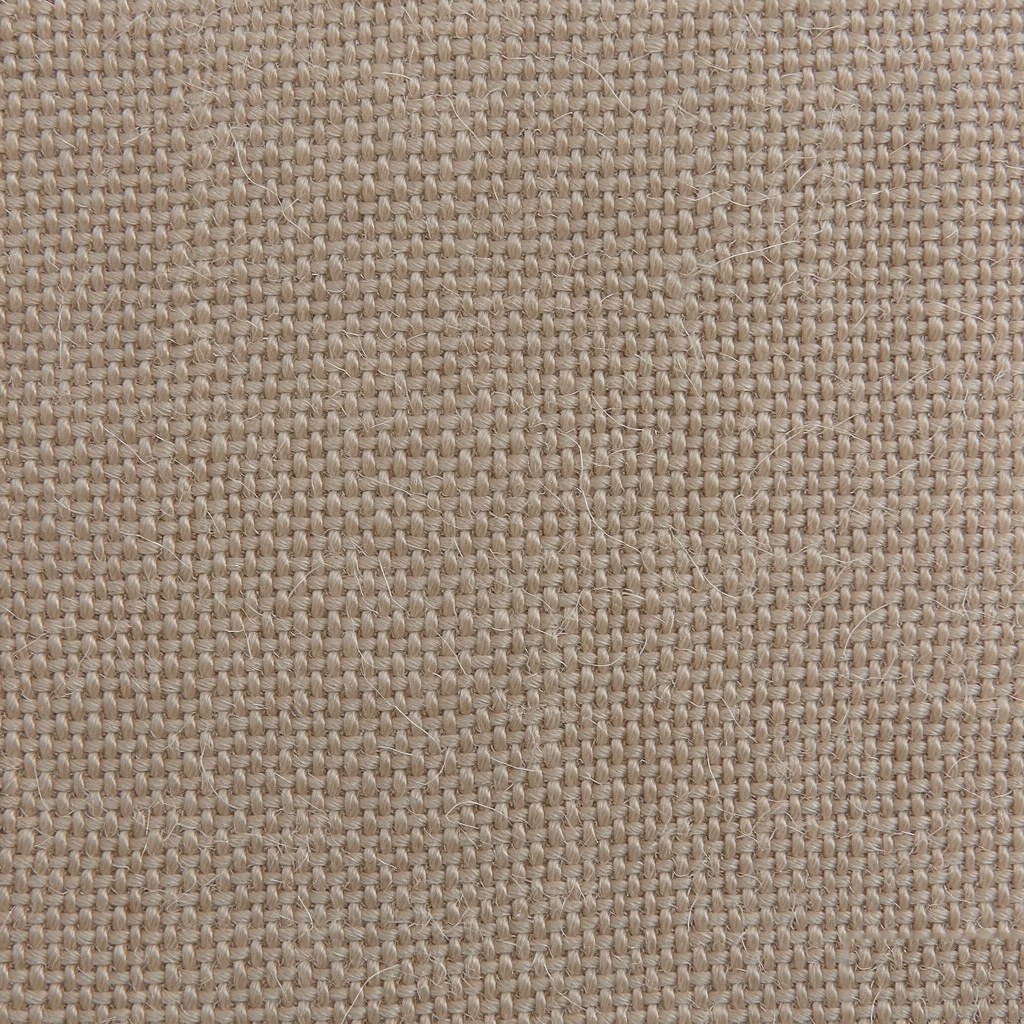
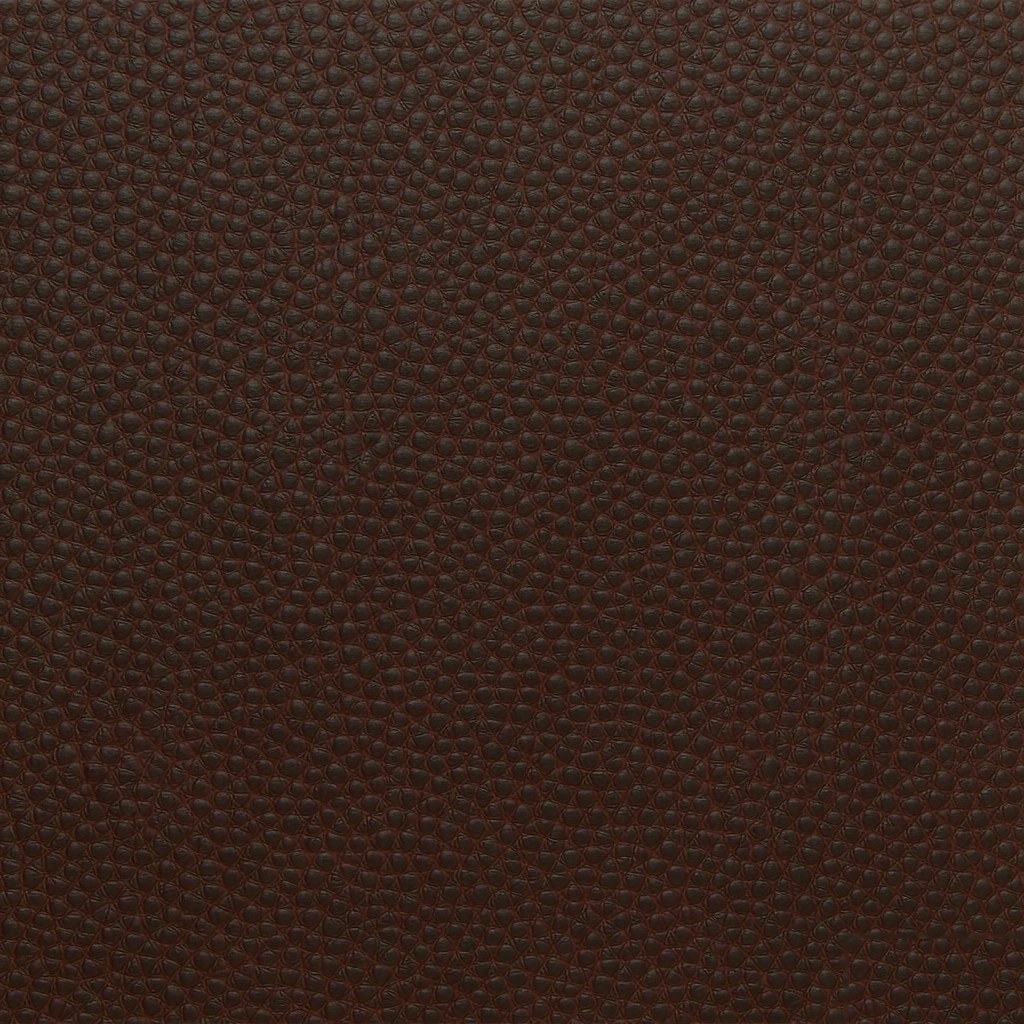
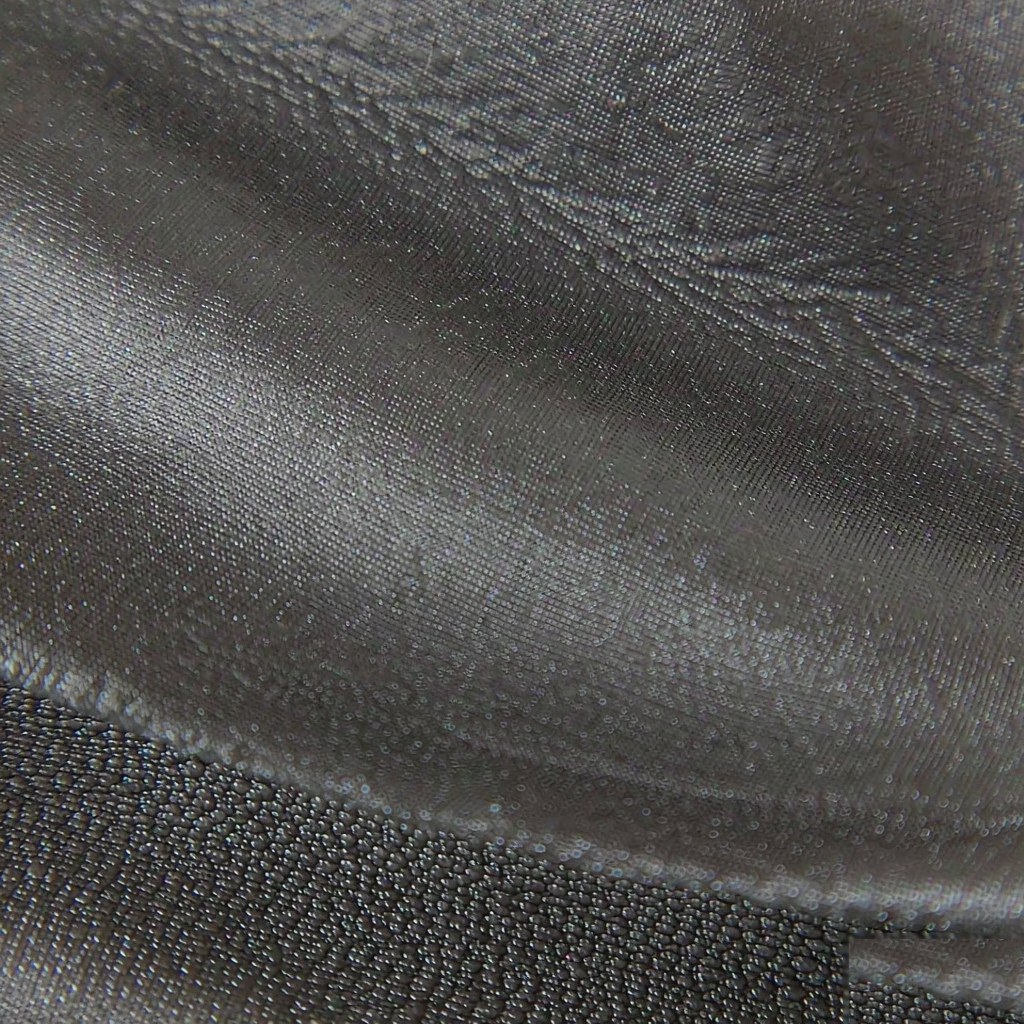
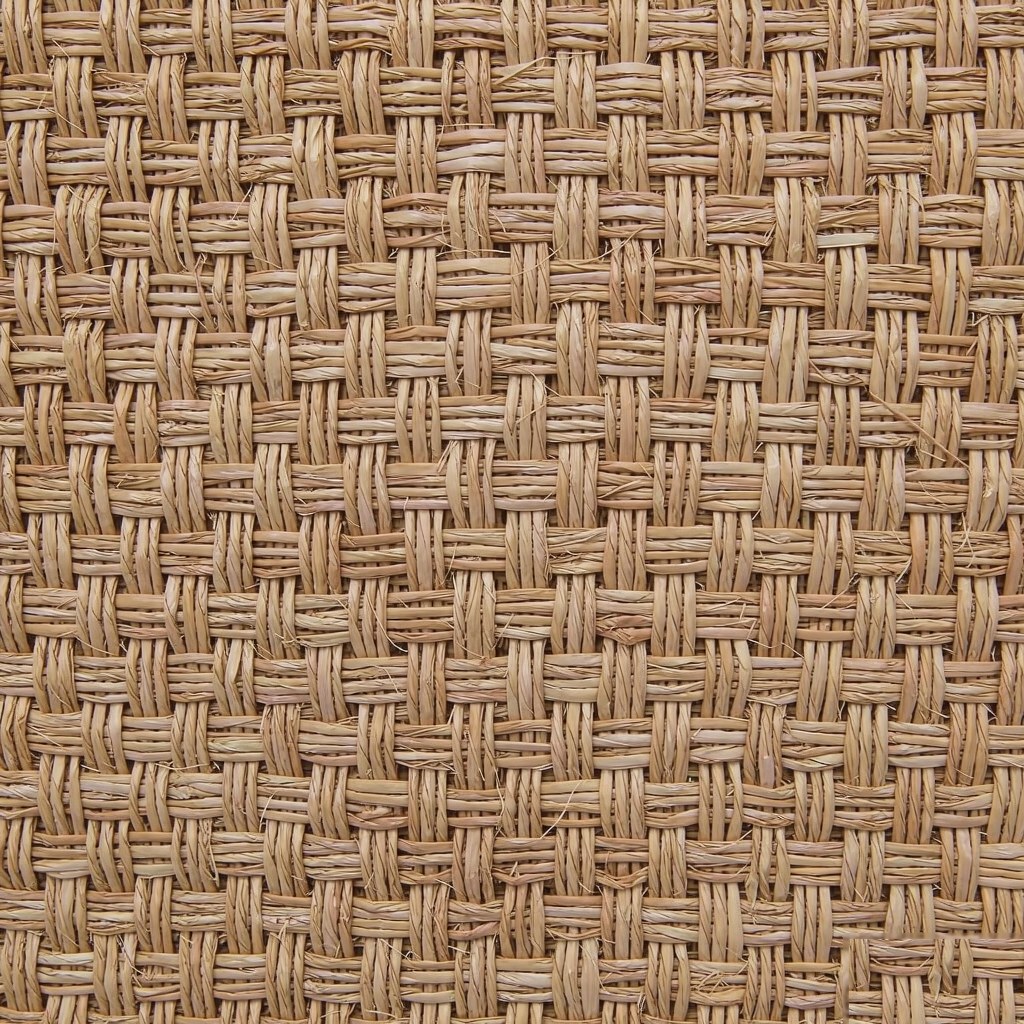
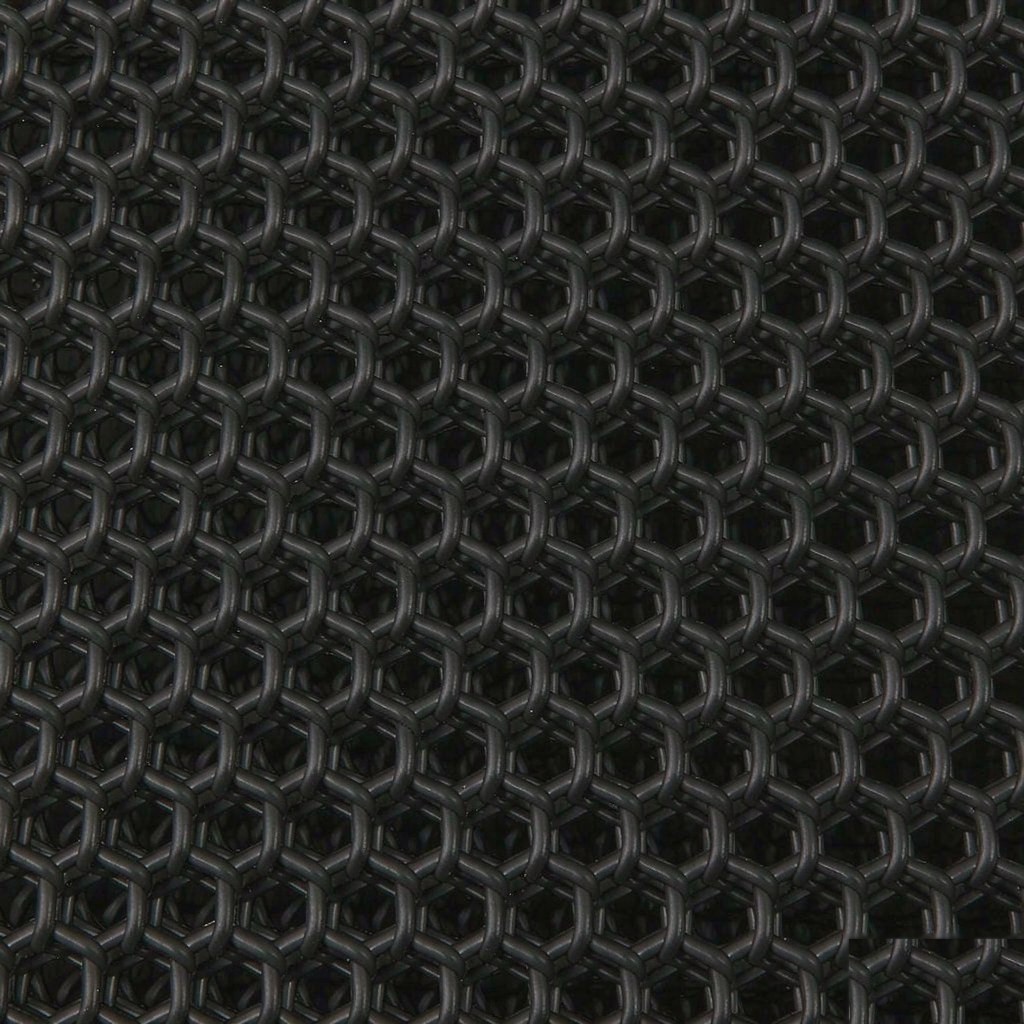
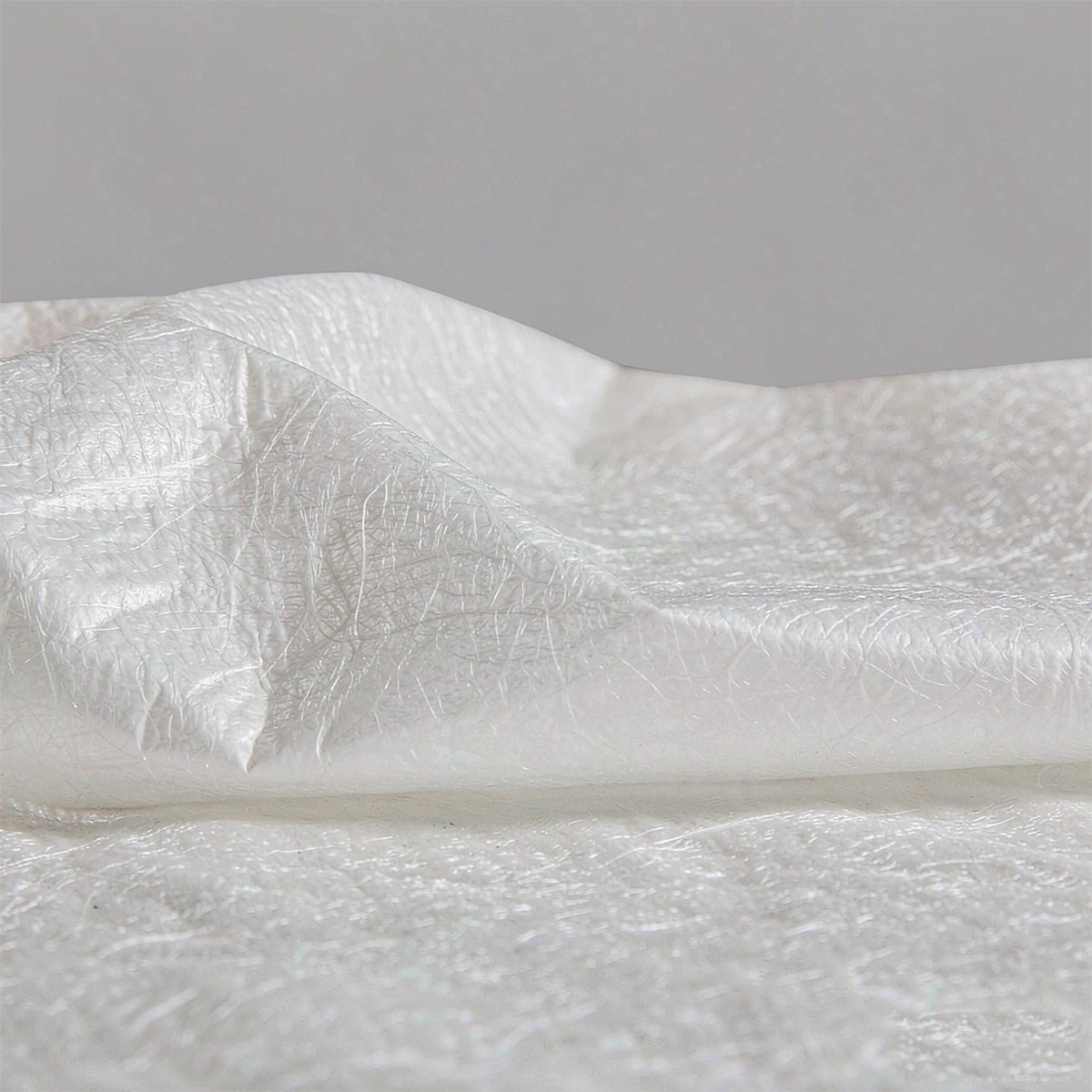
| Material | Typical use | Strong at | Weak at |
|---|---|---|---|
| 600D polyester | Totes, backpacks, promo lines | Cost, print quality, weight | Abrasion life vs nylon |
| 1680D ballistic nylon | Tool bags, laptop cases, work gear | Abrasion and tear resistance | Price, stiffness |
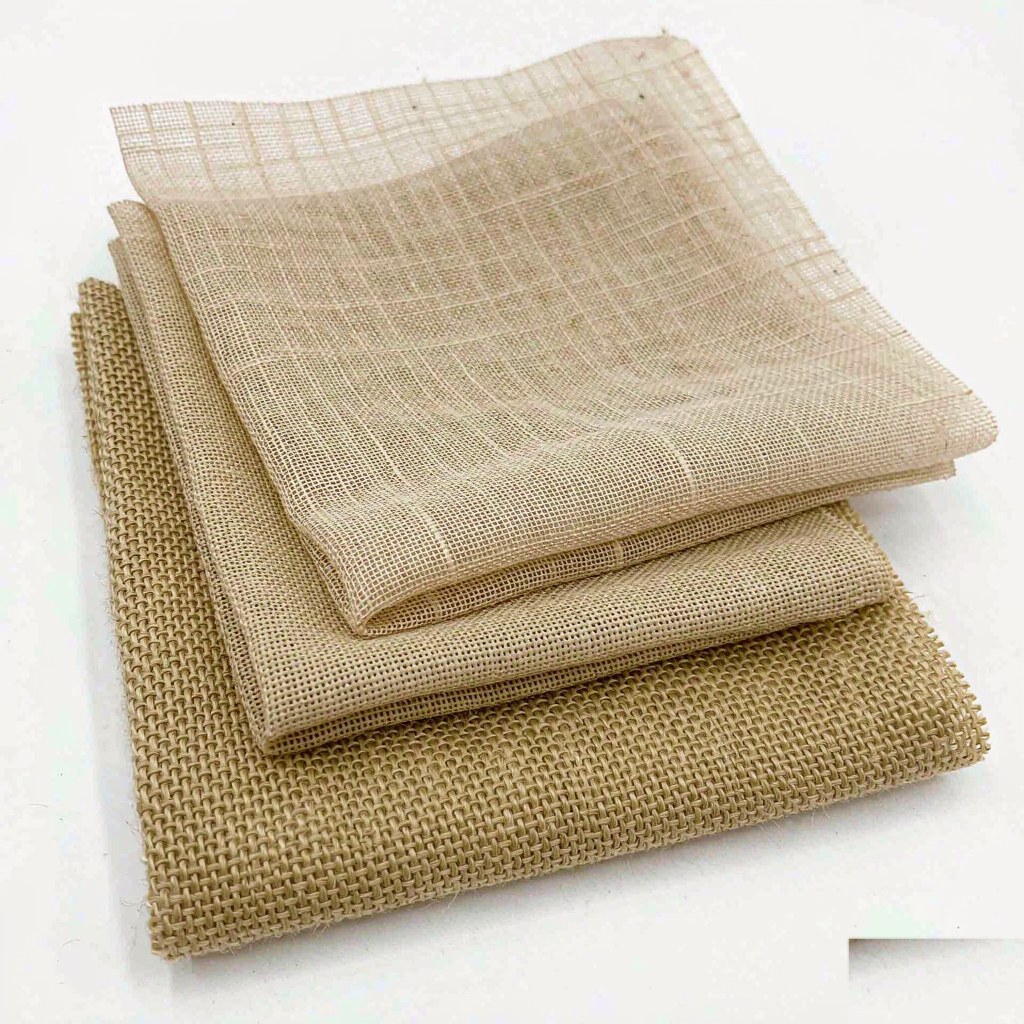
| Cotton canvas | Eco lines, premium totes, apron-style bags | Hand-feel, natural story | Weight, water uptake |
| PU vegan leather | Handbags, crossbodies, sleeves | Structure, premium look | Crease fatigue at folds |
| Neoprene | Laptop sleeves, bottle holders | Cushioning, water resistance | Bulk, shipping weight |
| Raffia | Seasonal totes, clutch shells | Trend appeal, sustainability story | Batch colour variation |
| Tyvek (flashspun HDPE) | Eco pouches, washable-paper bags, sleeves | Tear strength, water resistance, weight | Permanent creases, heat sensitivity |
Six ways to put a logo on a bag
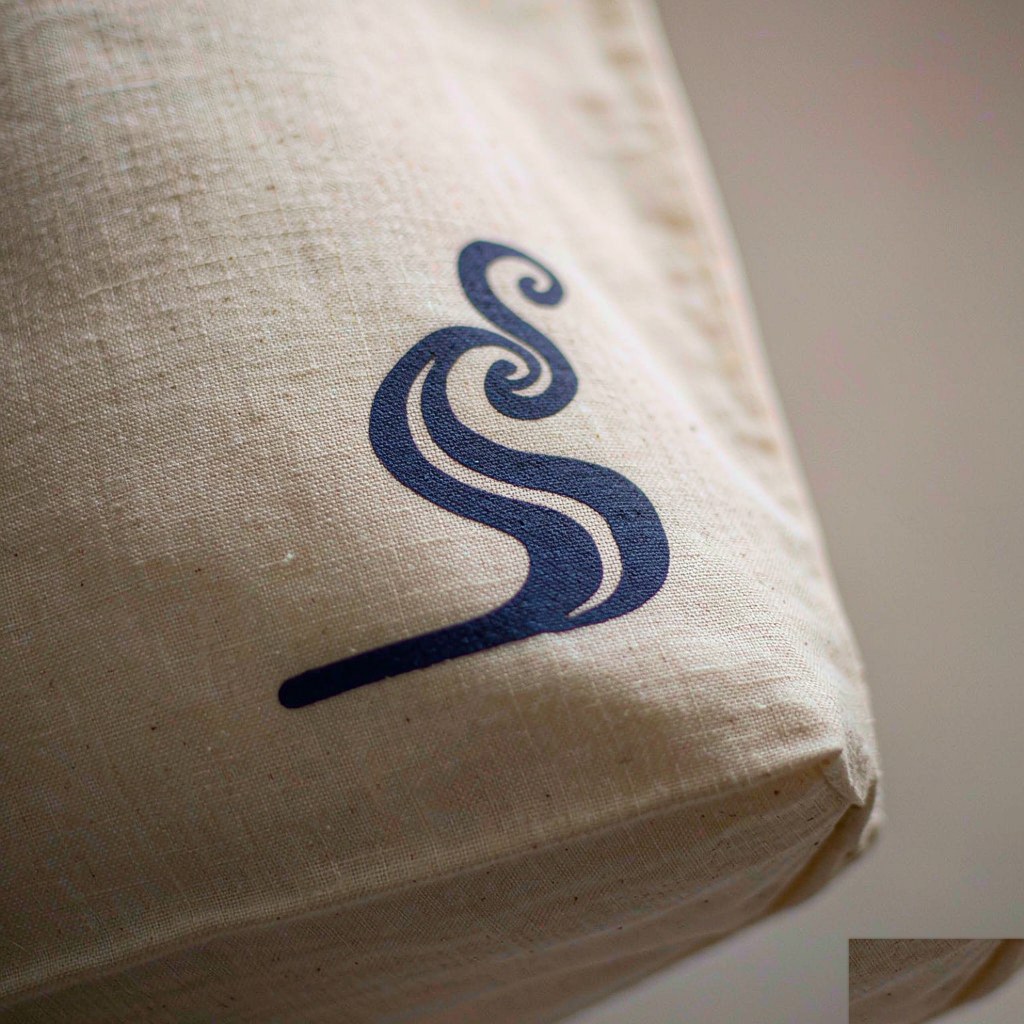
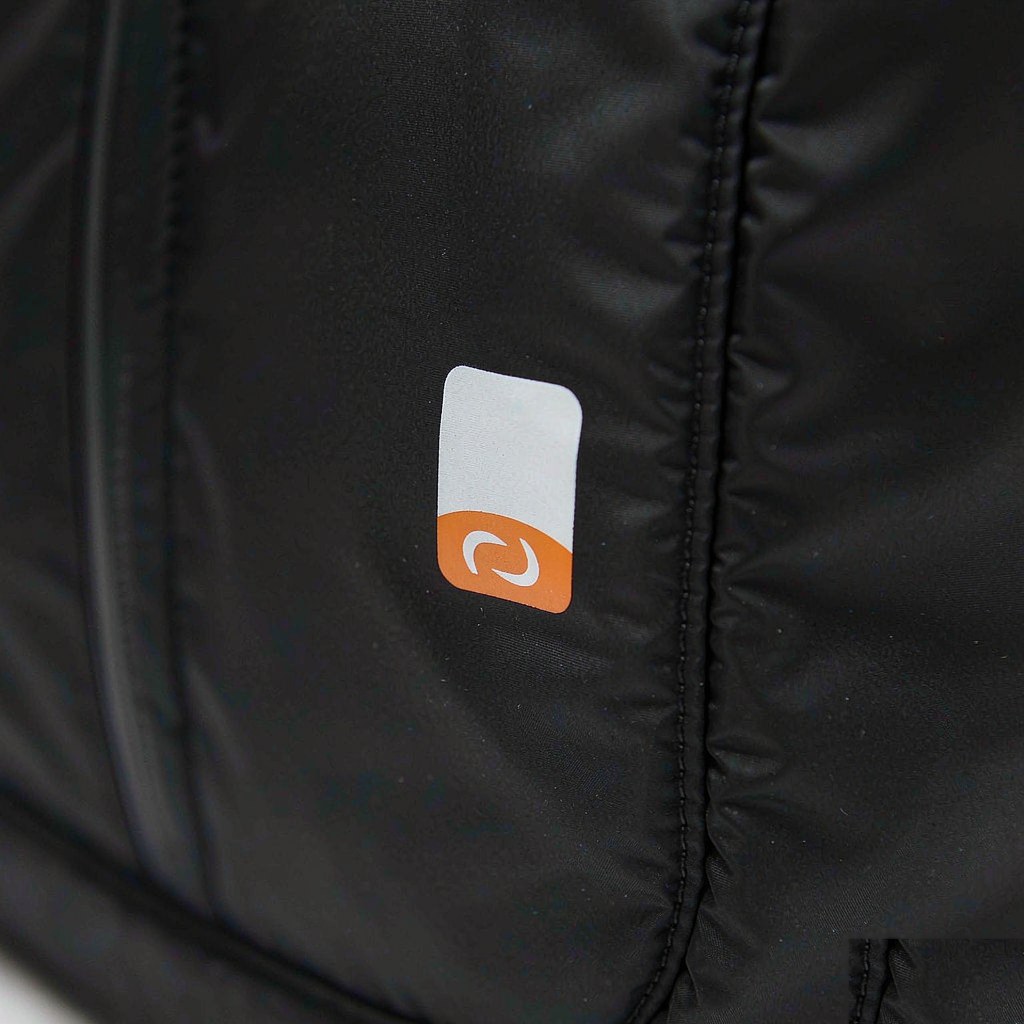
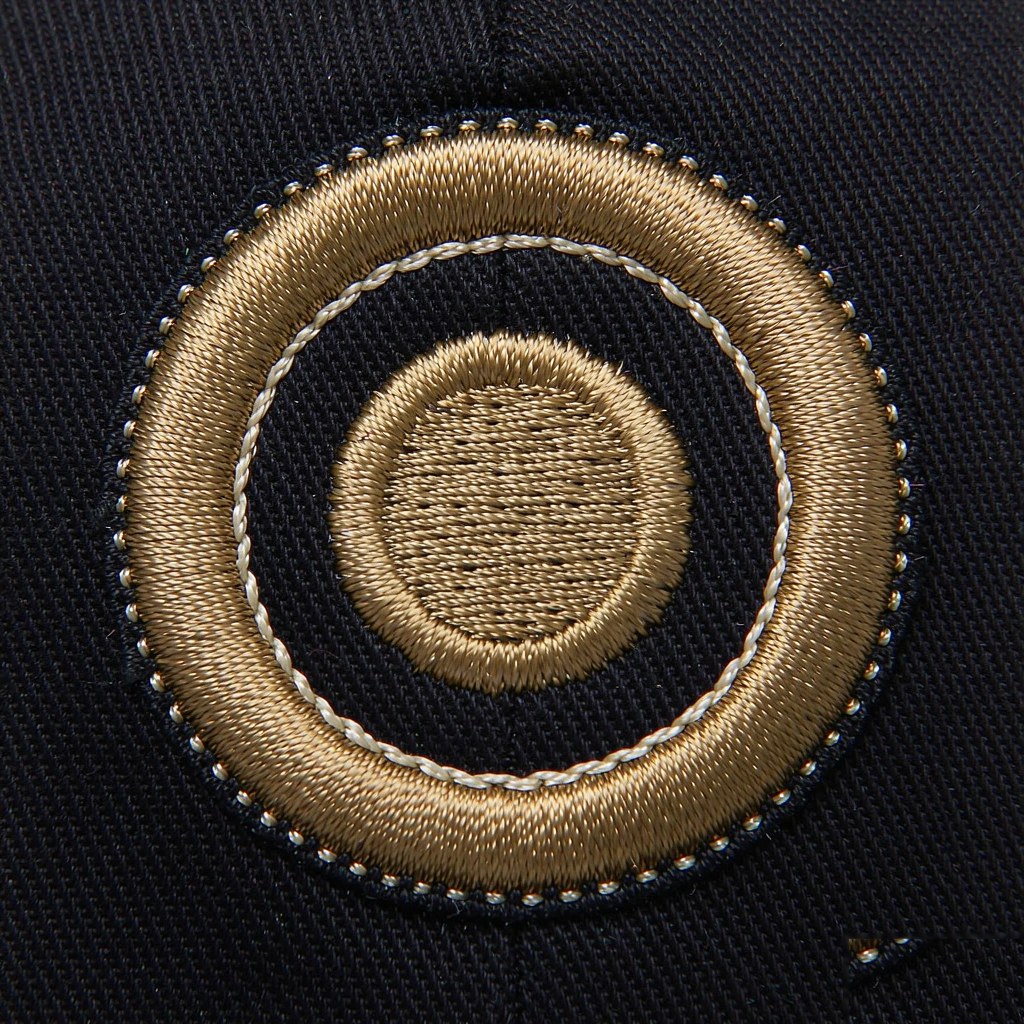
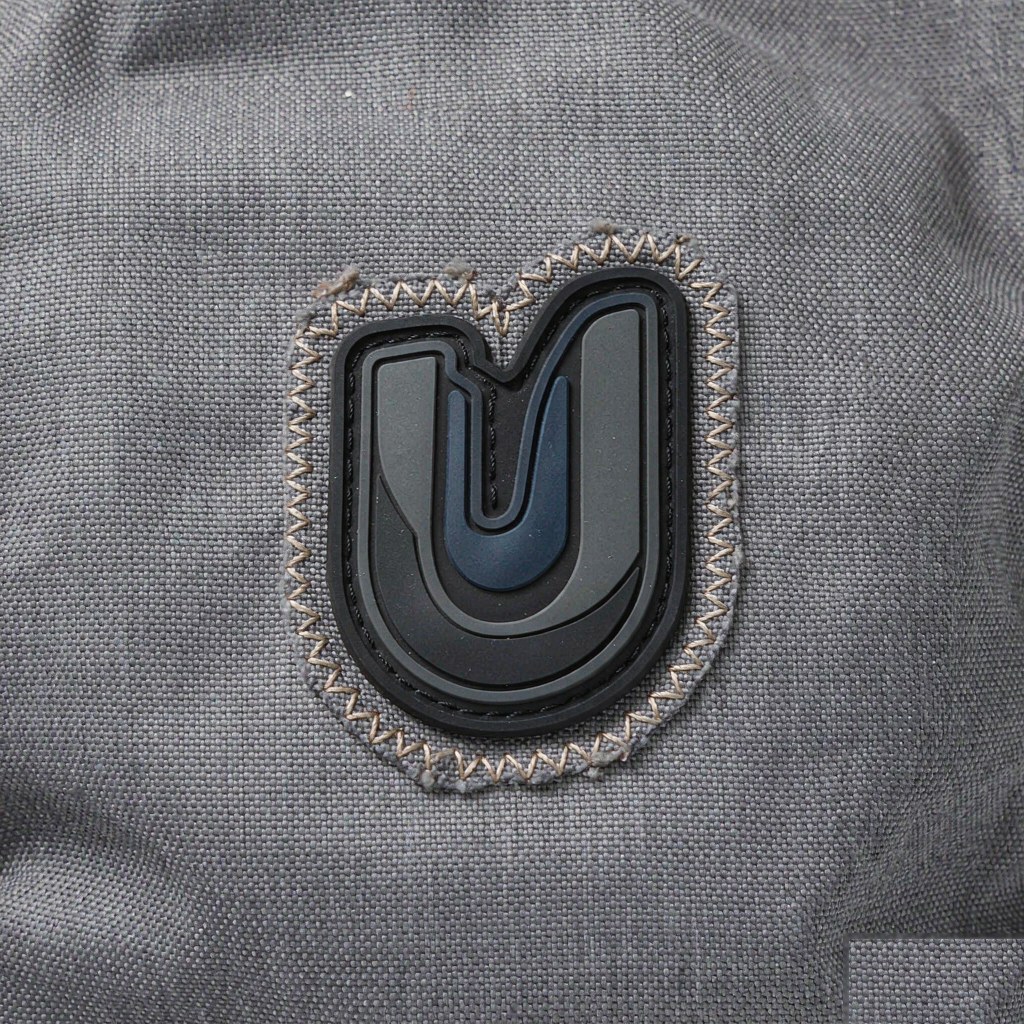
Each technique has a cost profile and a lifespan profile. The right answer depends on the logo itself: how many colours, how fine the detail, where it sits on the bag.
| Technique | Best for | Pros | Limits |
|---|---|---|---|
| Silk screen | 1–3 colour marks, promo & canvas lines | Lowest cost at volume, very durable | Per-colour screens, no gradients |
| Heat transfer | Multi-colour art, photo detail | Unlimited colours, crisp edges | Flex-life shorter than print |
| Embroidery | Premium marks, outdoor brands | Tactile, ages with the bag | Stitch-count cost, tiny text |
| Rubber patch | Streetwear, outdoor, kids lines | 3D identity, layered colours | Mould cost, unit cost |
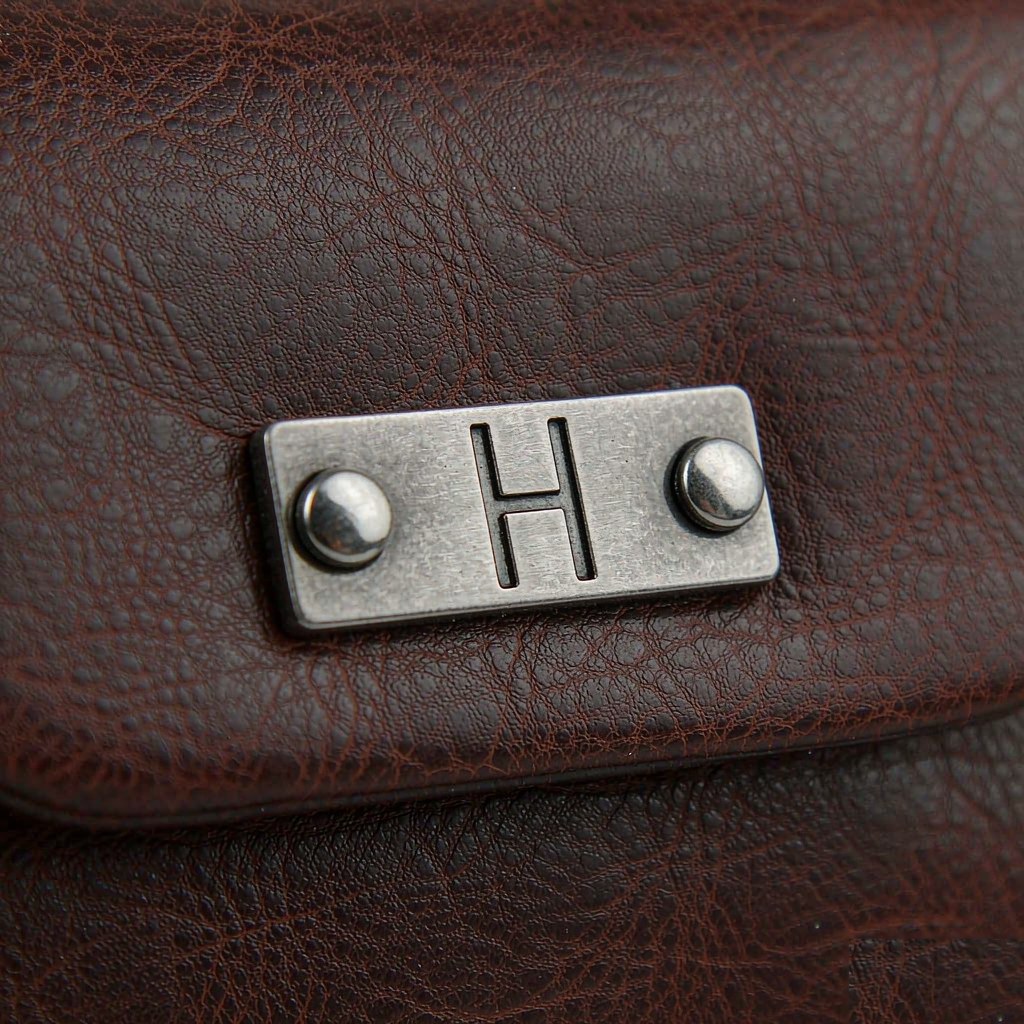
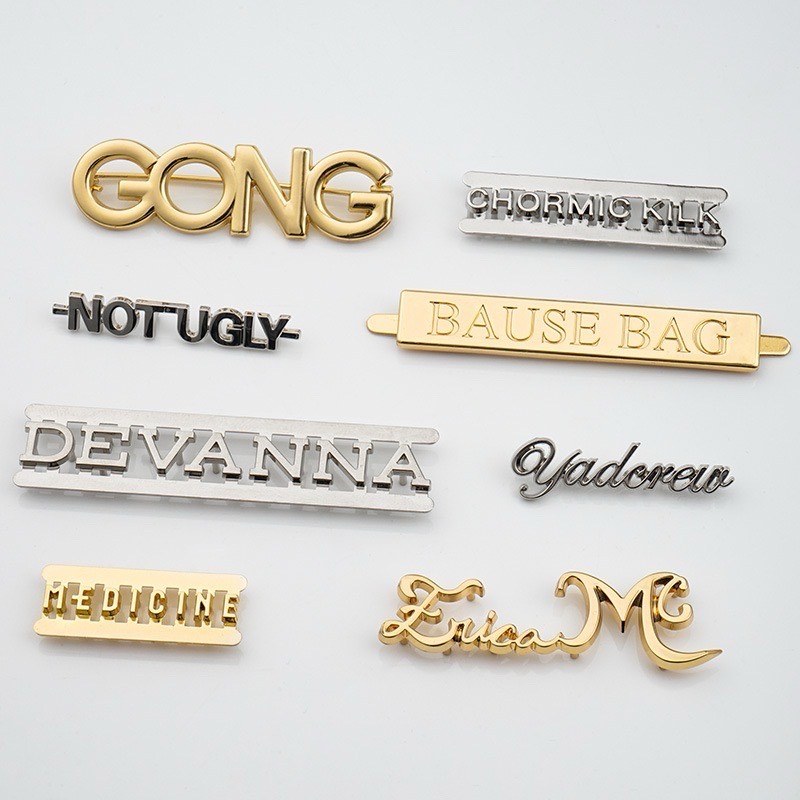
| Metal plate | PU / leather handbags | Top-end perception | Weight, edge finishing, price |
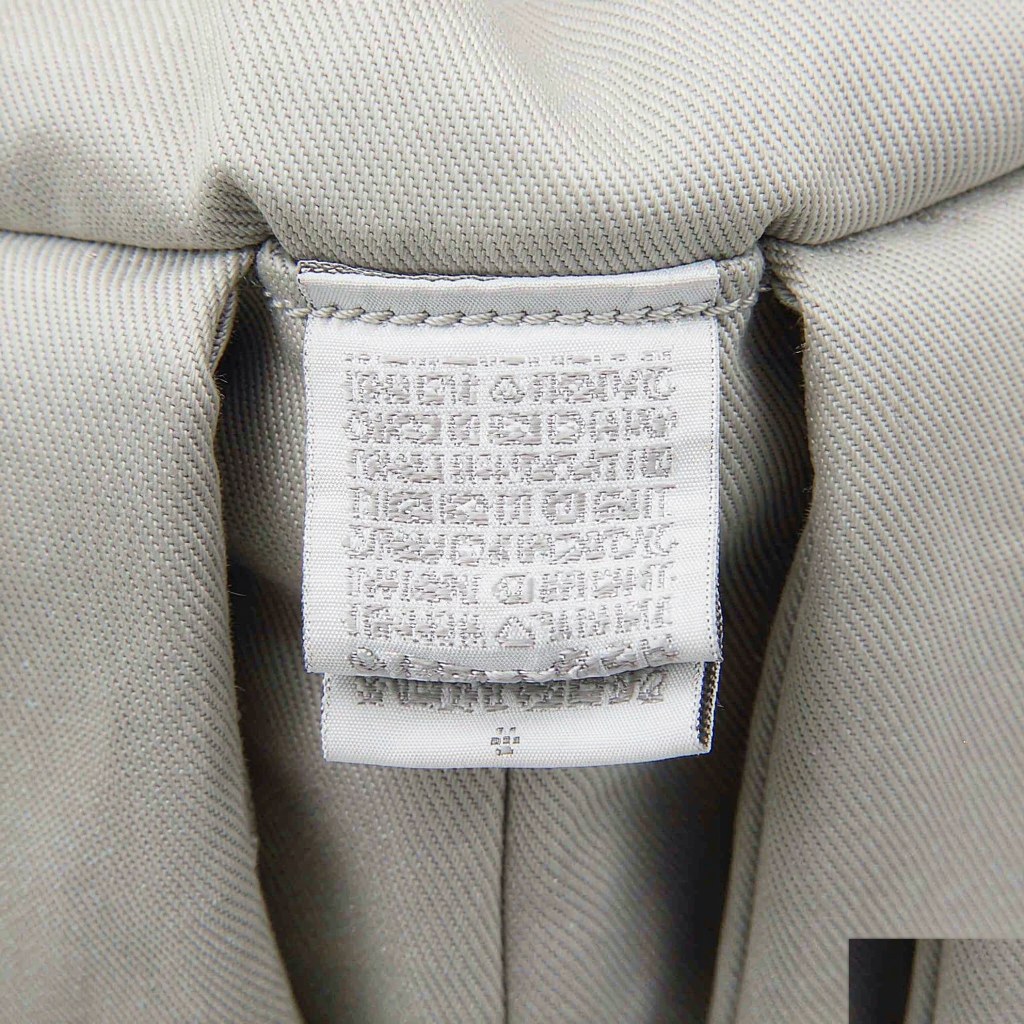
| Woven label | Private-label interior branding | Cheap, brand-building | Low detail resolution |
The words on our spec sheets
Buyers see these terms in every factory quotation — here is what each one actually means on the production floor, and what happens when it is left out.
| Term | What it is | If it is missing |
|---|---|---|
| Bartack | Dense zigzag stitch cluster at stress points — strap roots, zip ends, handle joints | The #1 hidden difference between a cheap quote and a bag that survives year one |
| Double-needle stitch | Two parallel stitch rows from one machine pass, standard on load-bearing seams | Single-needle seams wander and look uneven after washing |
| Topstitch | Visible finishing row that flattens and defines panel edges | Edges look soft and consumer-grade instead of tailored |
| Piping | Corded edge trim between panels, common on structured bags | Silhouette loses definition; panel joins look flat |
| Binding | Fabric strip wrapping a raw edge — inside seams or visible edges | Fraying from the first wash; interior looks unfinished |
| Taped seam | Waterproof tape heat-sealed over the stitch line | Standard for dry bags and coolers — without it, seams weep |
| Lining drop-in vs built-in | Loose liner vs lining sewn as part of the bag body | Drop-ins shift and fold; built-in lining holds structure |
| Zip garage | Fabric bumper at each zip end so the slider stops quietly | Metal-on-metal clack and snags on the end teeth |
Denier and ounces, decoded
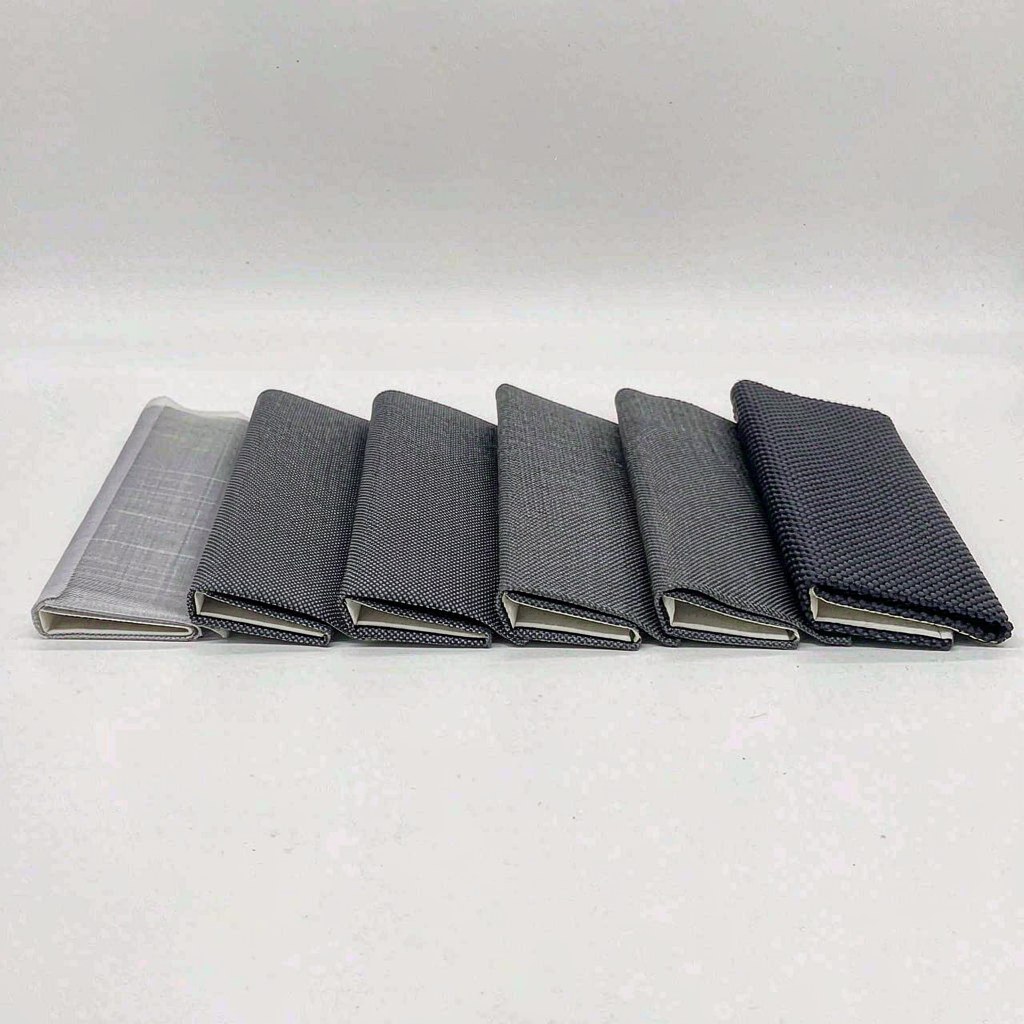
The numbers that scare buyers off spec sheets are just thread thickness. Denier (D) is the weight of the yarn in nylon and polyester weaves; ounces (oz — Chinese factories say "安") is the weight per square yard of canvas. Bigger number, heavier and tougher fabric.
| Weight | Typical use | Character |
|---|---|---|
| 210D | Dust bags, foldable liners, gift-pack pouches | Packs to nothing; not for load |
| 230D | Packable totes, drawstring backpacks | Lightest "real bag" weight |
| 300D | Light daypacks, bag linings needing body | Noticeably stiffer than 210D |
| 420D | Crossbodies, standard daypack shells | The all-round middle weight |
| 600D | Everyday totes, backpacks, promo lines | Best price-to-durability point |
| 900D | School bags, sports duffles | Handles daily abuse at modest cost |
| 1200D | Tool bags, soft luggage shells | Thick weave, harder to print fine detail |
| 1680D | Work gear, laptop cases, trolley bags | Ballistic weave; maximum abrasion life |
Polyester vs nylon at the same denier: nylon is the stronger, more abrasion-resistant fibre and keeps a slight sheen; polyester costs less, holds colour better in UV and takes screen print a touch better. Ripstop versions (the grid you see on 420D ripstop) buy tear-stopping for a small premium — worth it for packable and outdoor lines.
| Weight | Typical use | Character |
|---|---|---|
| 8 oz | Light totes, drawstring bags, linings | Soft, drapes, cheapest |
| 10 oz | Everyday carry totes | Light but holds a flat shape |
| 12 oz | The standard custom-tote weight | Structure without bulk |
| 14 oz | Premium shoppers, weekender shells | Feels substantial in hand |
| 16 oz | Heavy-duty totes, floor-standing bags | Stands alone; heaviest to ship |
Metal vs plastic: what each part is called and does
Hardware is where quotes quietly differ. Same-looking buckle in zinc alloy or POM plastic can differ several-fold in unit cost — and in how the bag feels in hand.
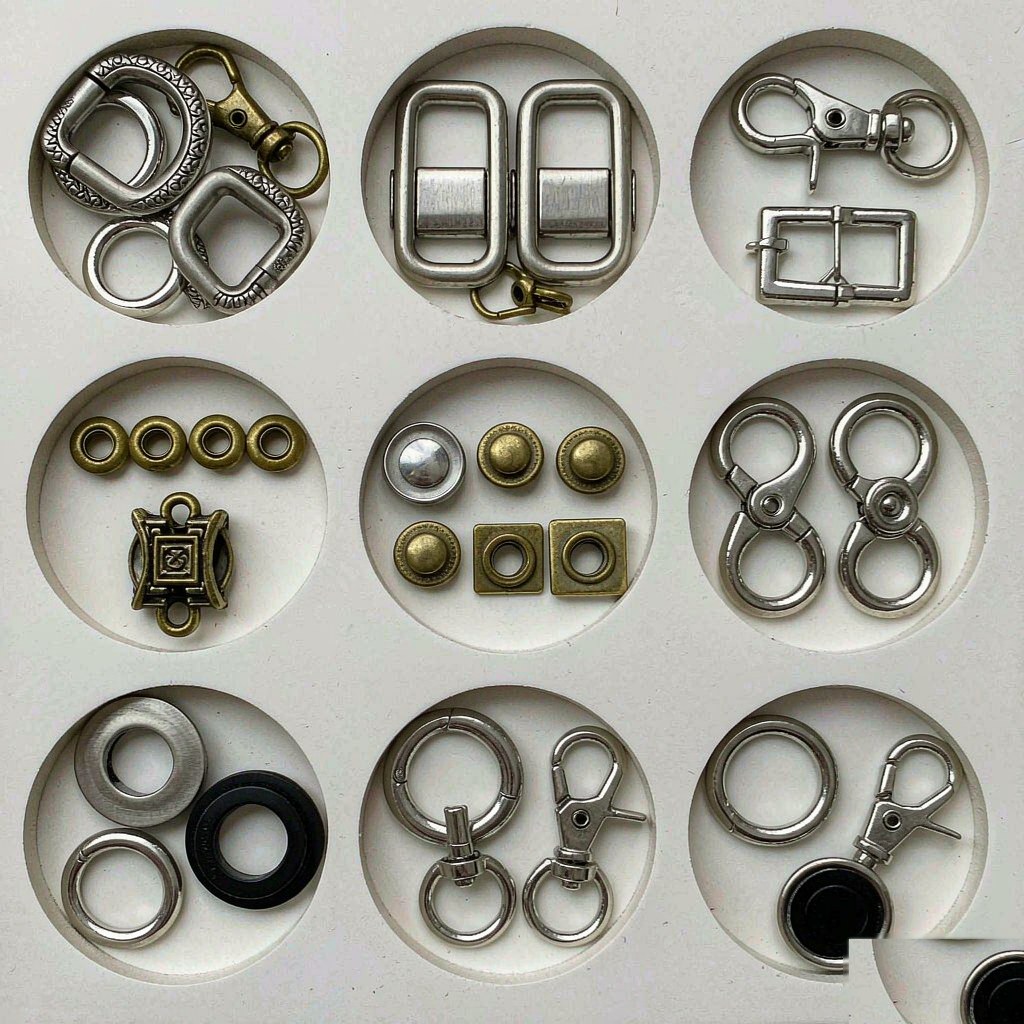
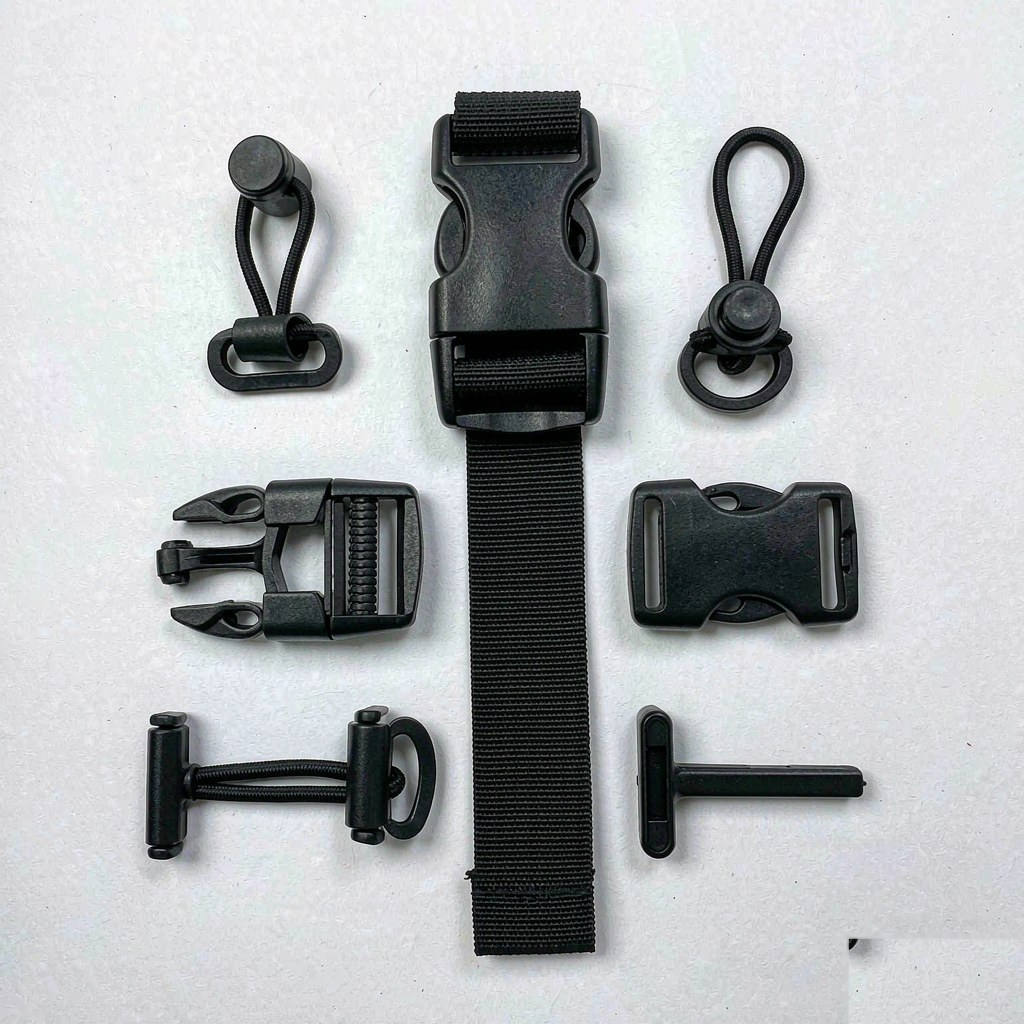
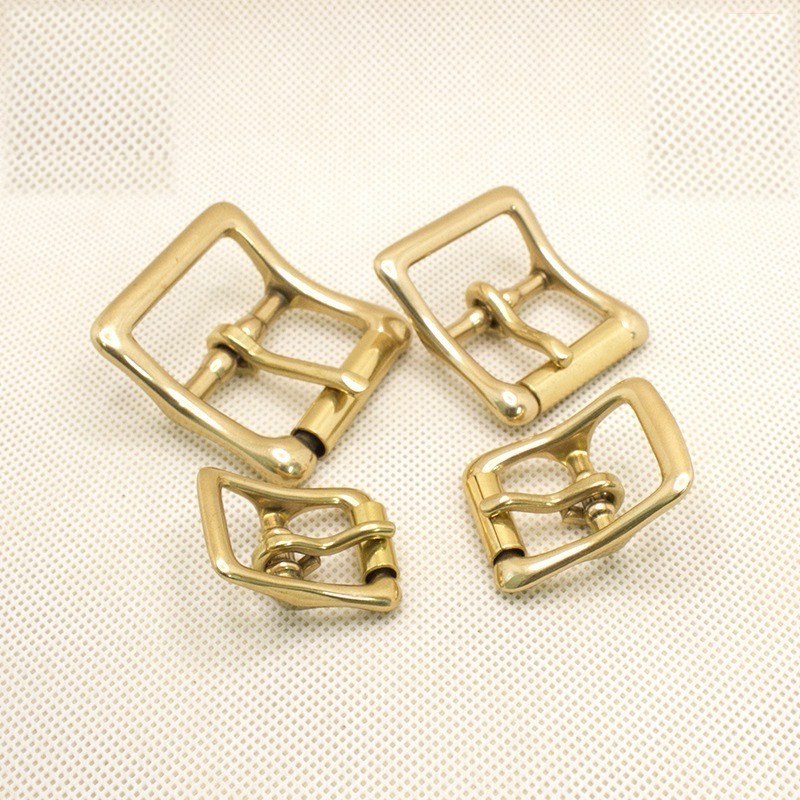
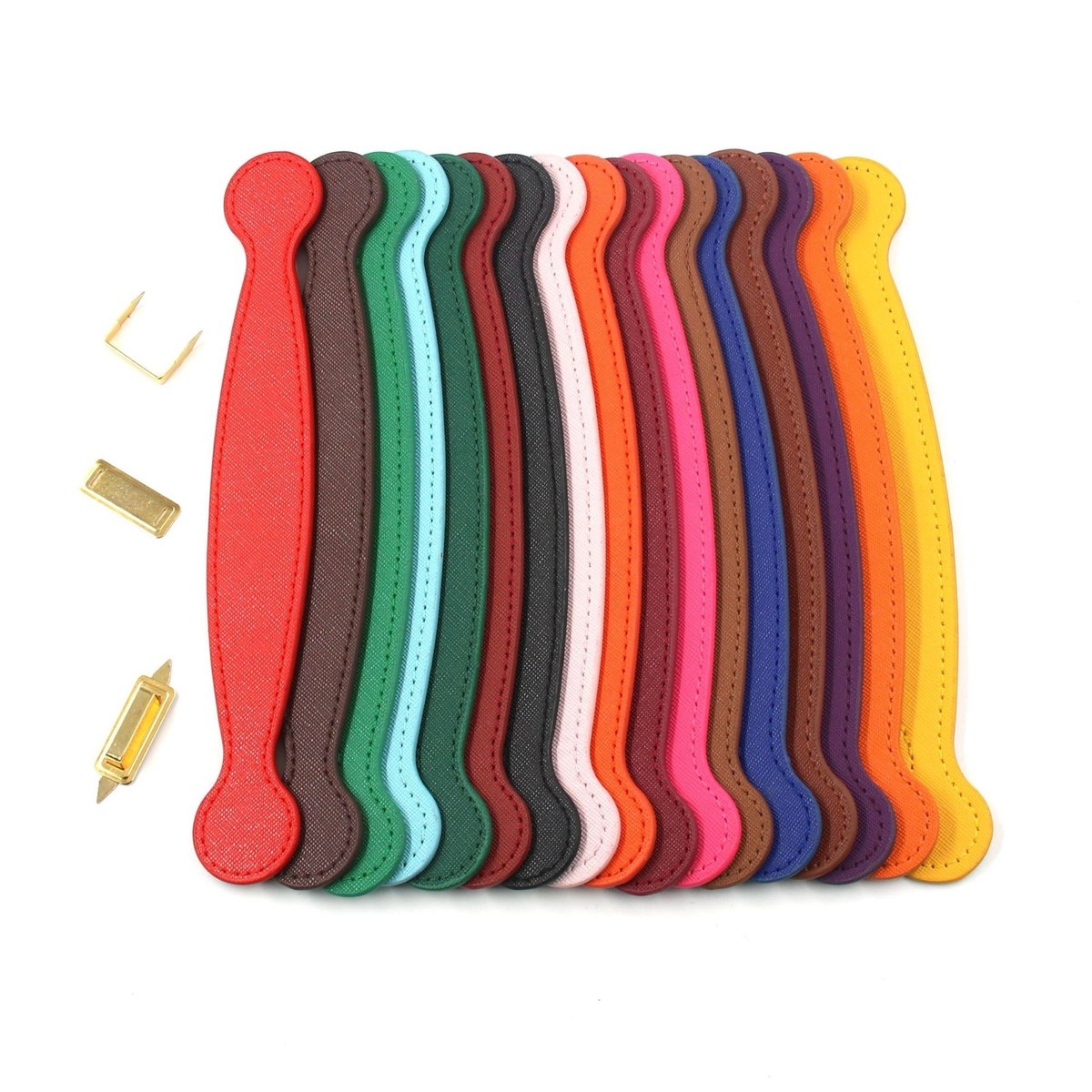
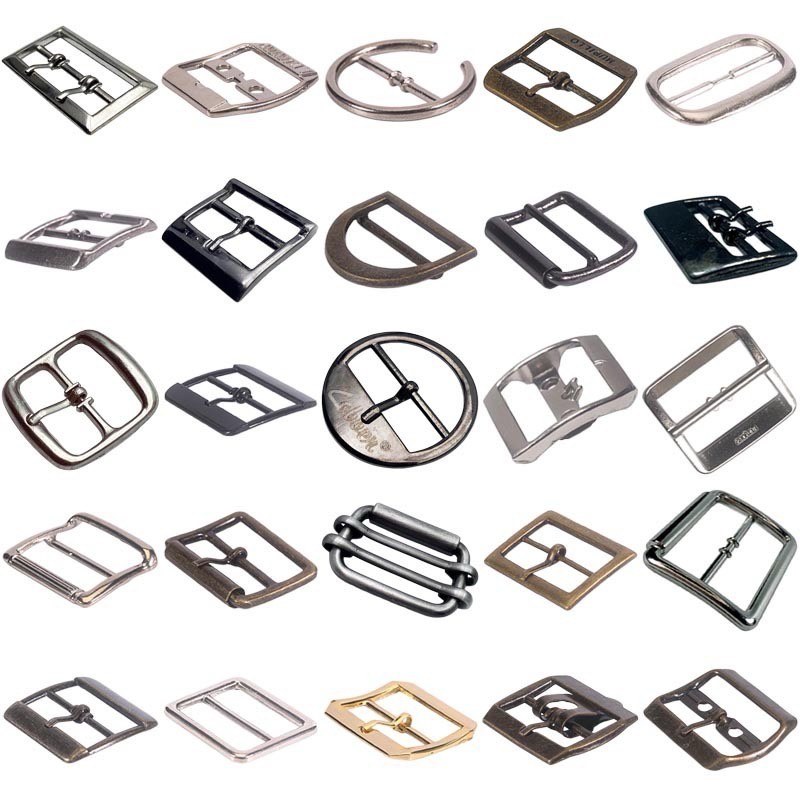
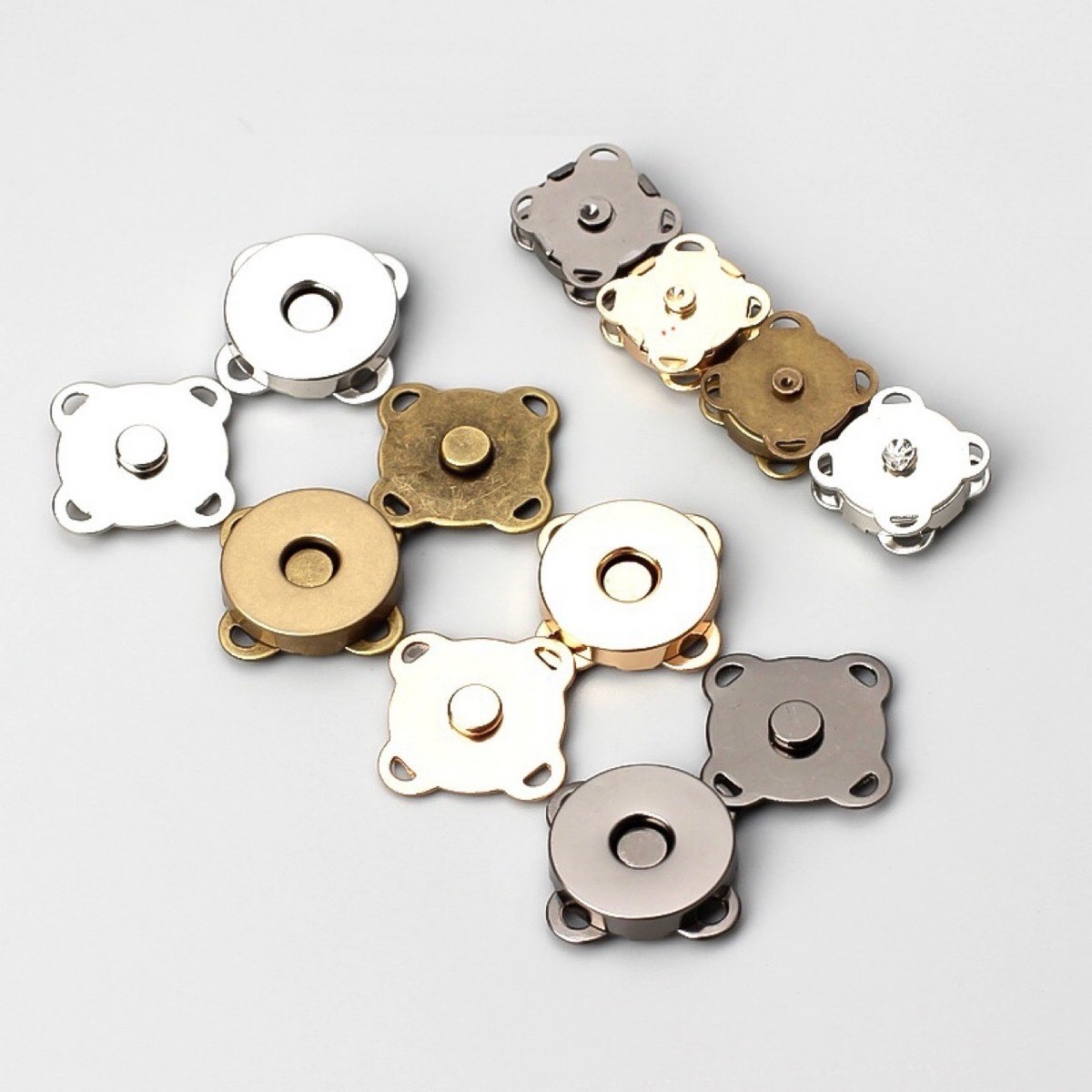
From our sample wall — real hardware, real names
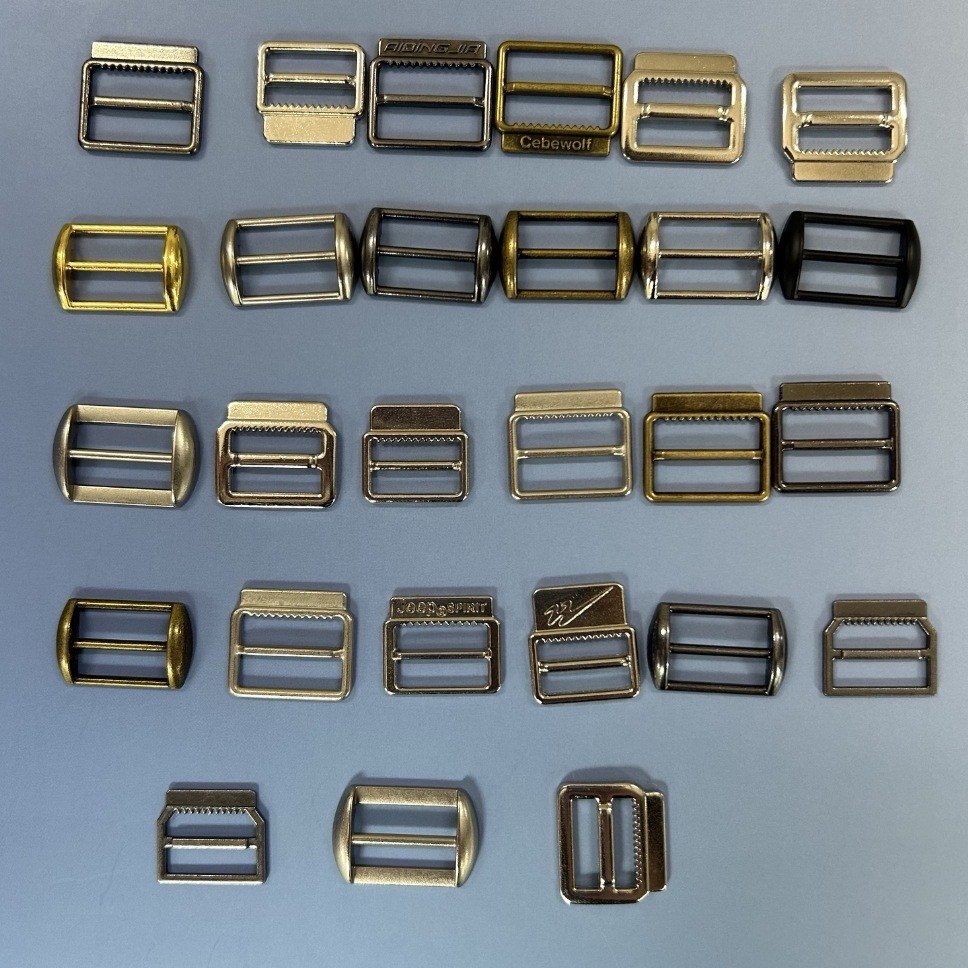
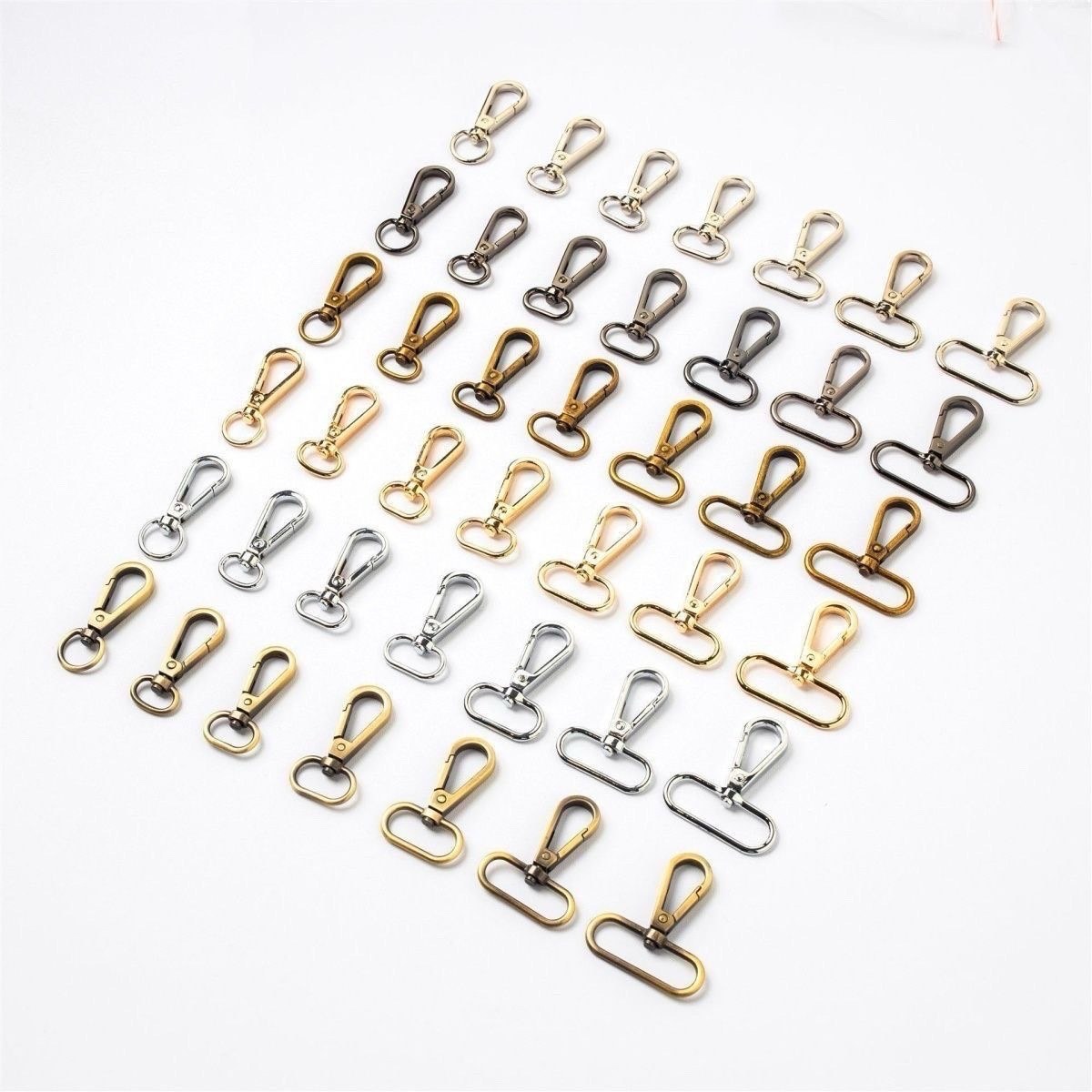
Actual pieces from our hardware racks, photographed as buyers receive them. Use these photos to name the part you want — it removes the most common source of sampling errors.
| Part | What it does | Usually |
|---|---|---|
| D-ring / O-ring | Anchors straps, charms, detachable accessories | Metal |
| Slider (tri-glide) | Adjusts strap length | Either |
| Side-release buckle | One-hand clip closure on packs and chest straps | Plastic |
| Ladderlock | Locks webbing without a slider's moving teeth | Plastic |
| Swivel hook (lobster) | Detachable shoulder straps and lanyards | Metal |
| Spring gate snap | Quick-connect on straps and key rings | Metal |
| Cord stopper (toggle) | Locks drawcords on hoods and stuff sacks | Plastic |
| Eyelet / grommet | Reinforced hole for cords, lacing, ventilation | Metal |
| Rivet | Reinforces stress points; doubles as decoration | Metal |
| Magnetic snap | Closes flaps without visible hardware | Metal, sewn-in |
Choosing between them: metal reads premium, lasts longer and adds weight and cost — right for PU, canvas-premium and business lines. Plastic is lighter, cheaper, rust-proof and can be moulded in your brand colour — right for outdoor, sports, kids and promo. For marine or wet environments plastic or coated metal only; bare zinc alloy will pit.
Specifying hardware for an order? The testable values — salt spray hours per market, the EN 1811 nickel release limit, zipper grades and pull-test figures — are set out in Custom bag hardware: what to specify and where it fails.
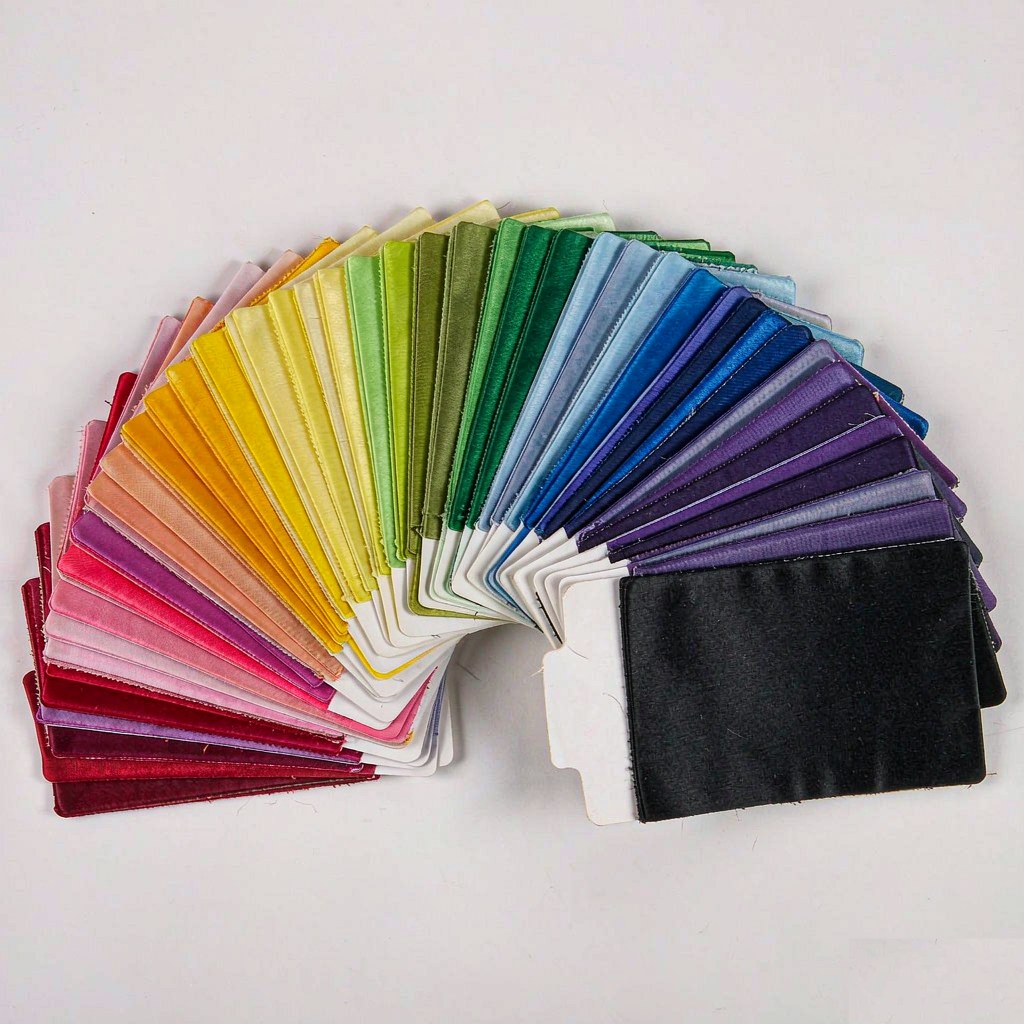
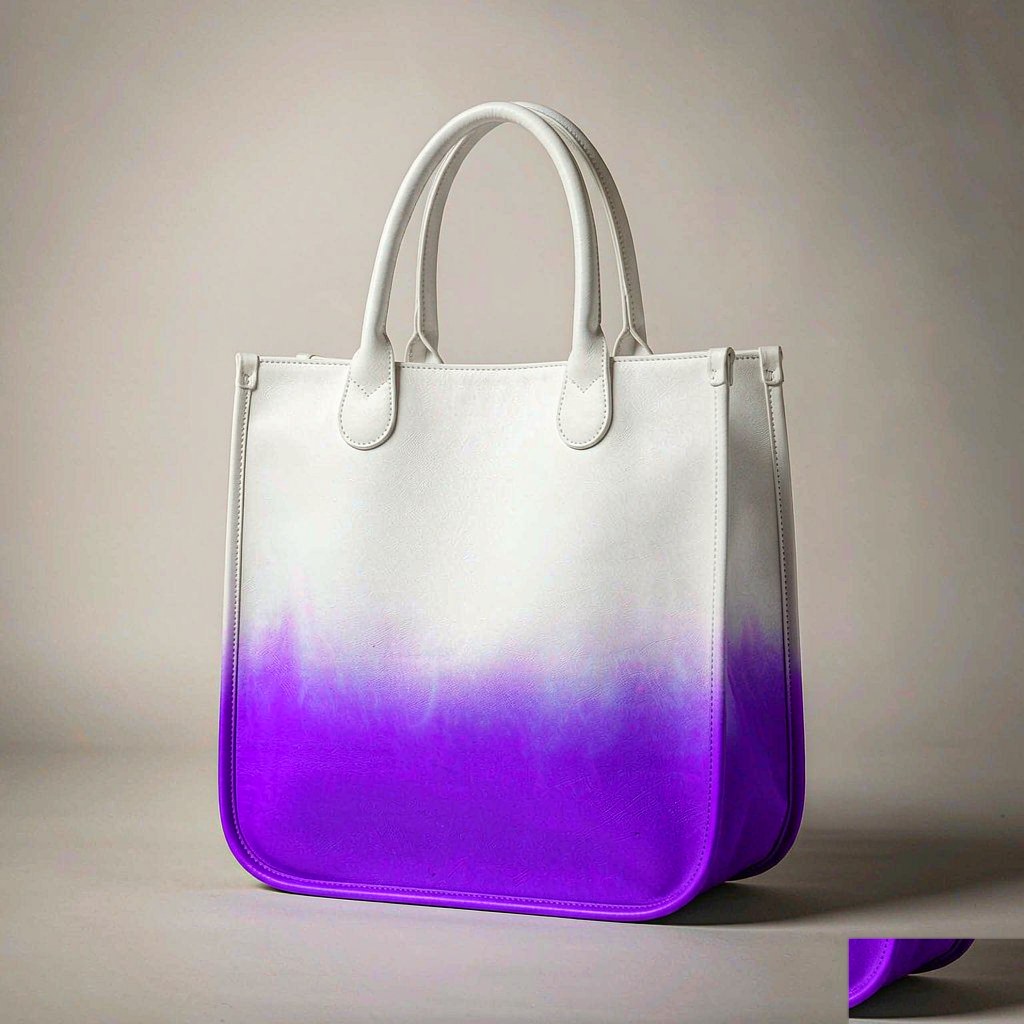
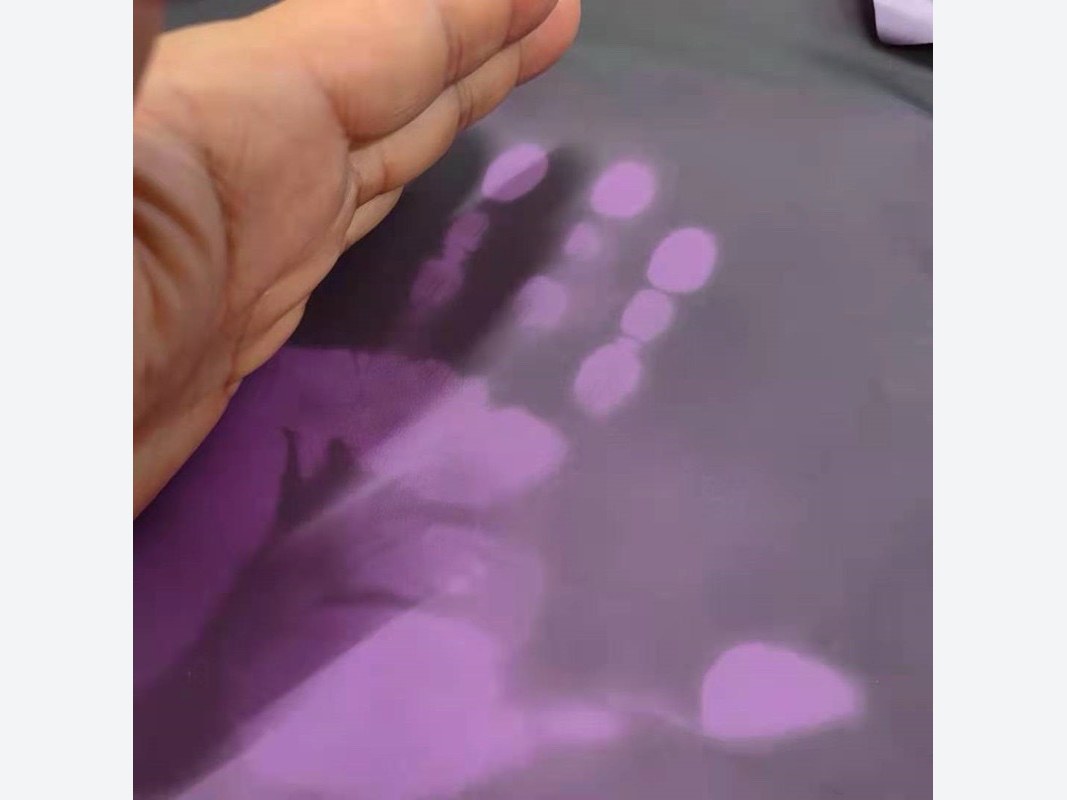
Colour cards — and fabrics that change colour
Colour is agreed by code, not by memory. Everything starts from a Pantone reference and ends with a physical swatch you sign off before bulk production.
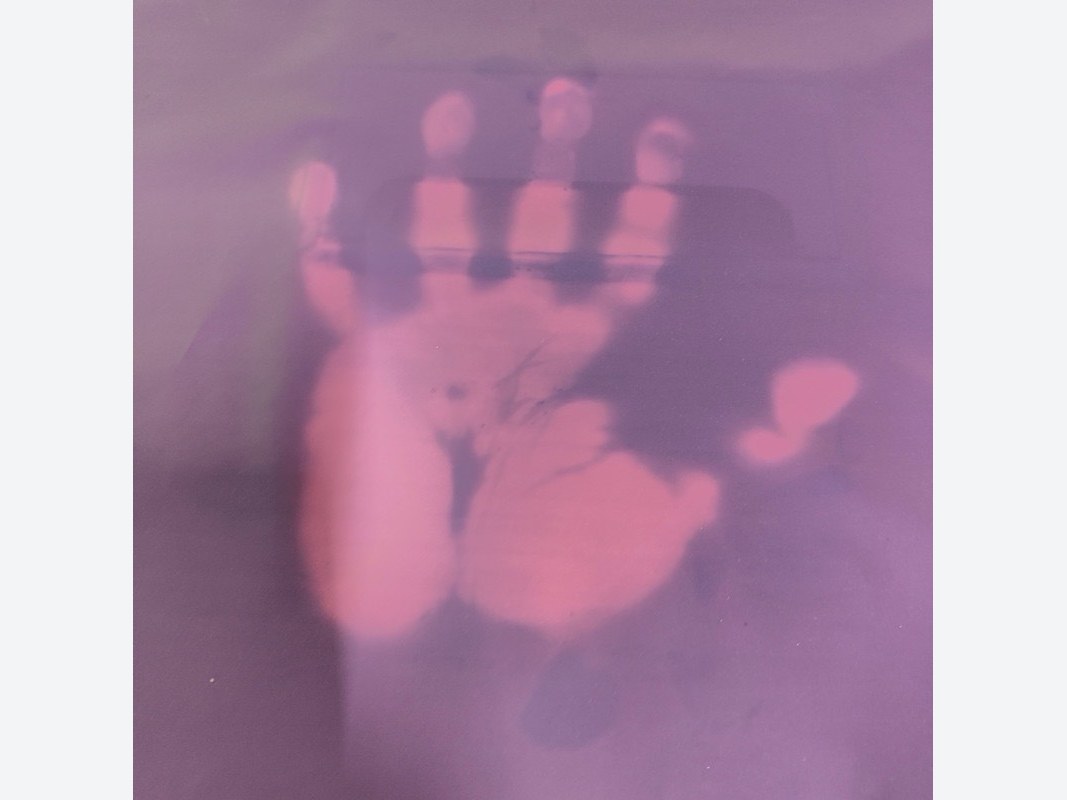
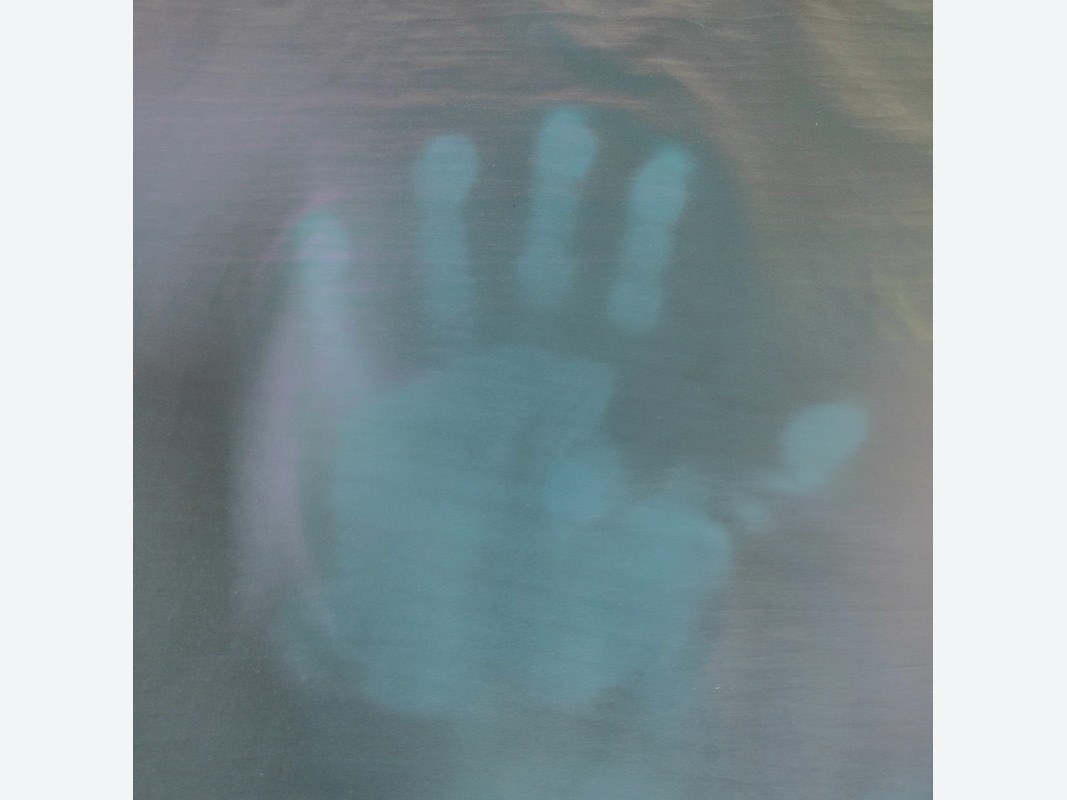
| Rule | What it means in practice |
|---|---|
| Pantone TCX / TPX | TCX codes for dyed cotton and textiles; TPX for coated film, trim and print references |
| Swatch sign-off | A dyed physical swatch is approved before bulk — screen colours are never accepted as the standard |
| Dye-lot variance | Cotton absorbs dye less predictably than polyester; a few percent batch-to-batch shift is normal and is planned into trim ordering |
| Base fabric changes colour | The same Pantone code looks different on canvas, nylon and PU — each base fabric gets its own lab-dip |
Frequently asked
Which fabric should I choose for a daily-carry bag?
For most daily-carry programmes the choice is 600D polyester or 1680D ballistic nylon. 600D keeps unit cost low and prints well; 1680D costs more per metre but survives abrasion at contact points — bag bottoms, straps, corners. If your bag will be dragged across floors, airport trolleys or bike racks, 1680D repays the difference.
Is PU vegan leather durable enough for a bag that is used every day?
Modern PU holds up well for structured handbags, crossbodies and laptop sleeves. The weak point is the fold: at hinges and creases, thin PU (below 0.8 mm) eventually cracks. We spec 1.0 mm or more at fold points and reinforce with a backing layer, which is why two "identical" PU quotes can differ.
What is the difference between silk screen printing and heat transfer?
Silk screen pushes ink through a mesh, one colour per screen — cheap at volume, extremely durable, but each added colour adds a screen and cost, and fine gradients are impossible. Heat transfer bonds a printed film onto the fabric — full-colour gradients and photographic detail at no extra cost per colour, but the film can lift after long flexing and is not recommended for high-friction areas.
When is embroidery worth the extra cost?
Embroidery reads as premium and outlasts the bag itself, so it suits brand marks on higher-price lines. It is charged per thousand stitches and per colour, so large filled shapes get expensive fast. Fine text below about 5 mm height loses legibility in thread — at that size choose print or a woven label.
How do you match my exact brand colour?
Send a Pantone code — for textiles the TCX range (cotton) and TPX range (coated paper) are the working standards, and we dye against the TCX code and confirm with a physical swatch before bulk. On fabric, screen colours are never exact: cotton absorbs dye differently from polyester, and there is a normal batch-to-batch variance of a few percent, which is why the swatch sign-off exists before production starts.
What do bartacks and taped seams actually do?
A bartack is a dense zigzag stitch cluster placed at stress points — strap roots, zip ends, handle joints. It is the single cheapest upgrade in bag construction and the most common omission in low quotes. Taped seams seal the stitch line with waterproof tape, standard for dry bags and cooler bags; on ordinary bags it adds cost without benefit.
Send your artwork and target fabric.
We will come back with the right material grade, the branding technique that fits the logo, and a price — within 48 hours.