A second source for your bags, without moving the first order
Most brands that write to us already buy bags somewhere. They write because a ship date moved, a lot did not match the first one, or a question went unanswered for a week. This page is about adding a second supplier without betting a season on it.
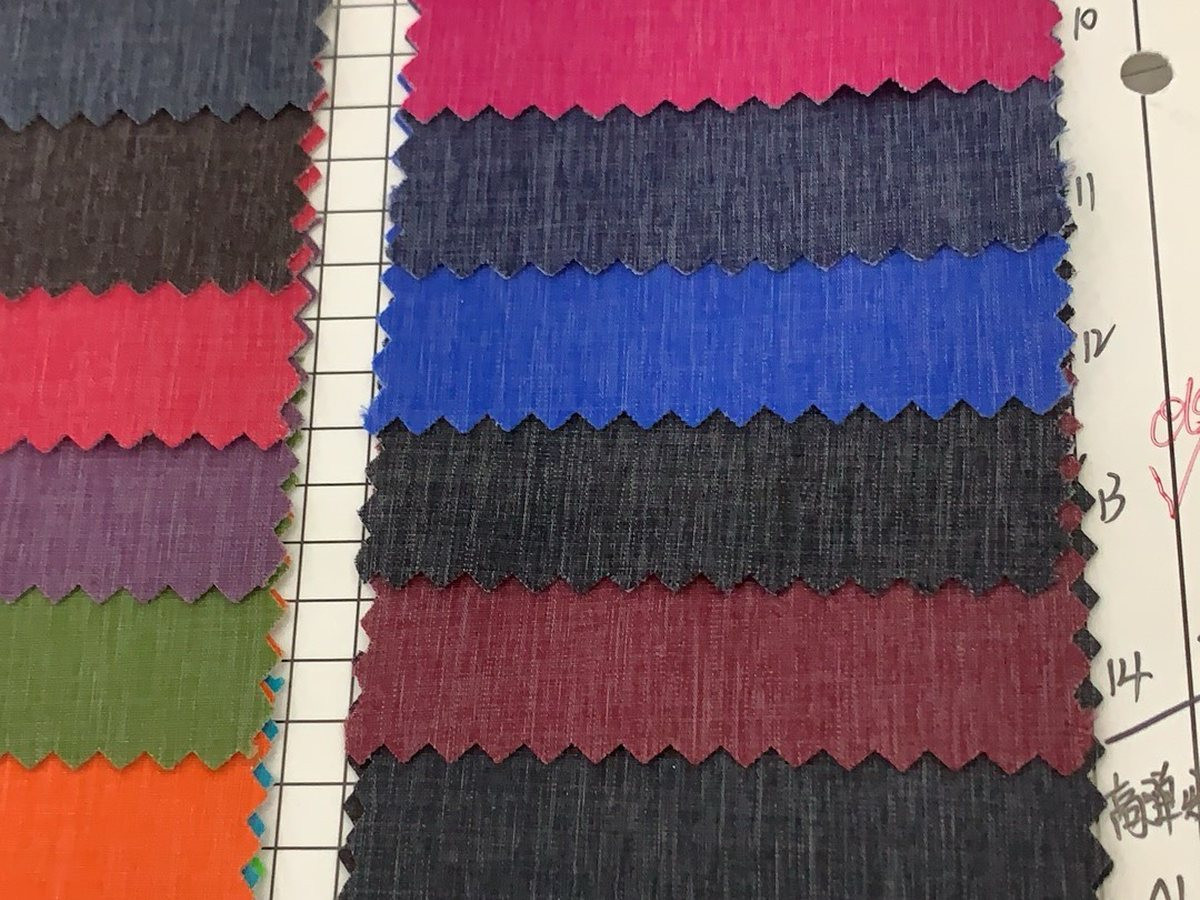
Three reasons brands start looking
In our experience it is almost never price. Price gets a supplier replaced when it is 20% out of line; the other three get them replaced when they are 5% out of line and the buyer has run out of patience.
| What happens | What it sounds like internally | What it actually costs |
|---|---|---|
| Dates move | "We said March and it arrived in May." | Empty shelf space, a markdown to clear the old stock, penalty charges on a marketplace |
| Quality drifts | "The second lot is lighter than the first." | Rework, returns, and a review score you cannot buy back |
| Nobody answers | "A logo change took two weeks to confirm." | A missed launch window, and losing internal credibility with your own team |
The third one is the most common and the least reported. It rarely produces a single dramatic failure, so it never triggers a formal review — the buyer just starts quietly collecting alternatives. If you are reading this page, that is probably what is happening.
What a switch actually puts at risk
Suppliers who want your order will tell you the switch is easy. It is not. These are the five things that go wrong, in the order they usually go wrong.
- The sample does not match the thing you already sell. A drawing and a physical bag are different specifications. If you cannot send the actual product, at minimum send the cut sheet, the fabric weight in gsm, the thread count and the zip specification.
- Material gets substituted. A quote that comes in 15% under your current price on an identical specification usually means a lighter fabric, a lower-grade foam, or a thinner board. Ask for the material list line by line and the brand or mill of each fabric.
- Tooling stays behind. Dies, print screens, embossing plates and woven label plates are often held by the outgoing supplier, and ownership is rarely written down. Sort this out in writing before you place a trial order, not after.
- Trims carry their own minimums. Woven labels, hangtags, stickers and polybags each have a minimum and each has a lead time. A new supplier has to restart all of them.
- Time. Sampling plus a first production run is eight to ten weeks from a standing start. Nothing about that is negotiable by asking harder.
All five come down to who holds which record. The sequence for moving one style without losing the paper trail — dye lots, plating batches, tooling ownership, label plates — is set out in how to switch bag suppliers without breaking a launch.
Make the test cost 300 pieces, not a season
We do not ask you to move your business. We ask for one style, 300 pieces, built to the specification you are already buying. If it is late or it fails inspection, you have lost 300 pieces. If it holds, you have a second source and a price to negotiate with. If you would rather walk the line before the trial starts, the six checks that tell you something are in the factory audit checklist.
| Commitment | What it means in practice |
|---|---|
| Same specification, no substitutions | The material list is fixed in writing before the order. If a listed material is unavailable, we stop and ask; we do not replace it quietly. |
| A photo at three stages | Cutting, assembly and packing. You see the goods before they ship, not after they land. |
| Third-party inspection on request | AQL 2.5 at the factory before booking, report sent to you unedited. |
| One person on your account | Not a shared inbox and not a ticket number. Questions come back the same working day or with a date attached. |
| The landed number, not just FOB | Duty, VAT and freight per piece alongside the FOB price, so the comparison you make is the comparison that matters. |
We will not promise that nothing goes wrong. What we will promise is that you know on day 10 rather than day 45 — and that is the difference between a trial order and a bet.
Send the specification, not the question
We quote against a specification. Without one, any number we give you is a number for a bag that may not be your bag.
- The specification you buy to — cut sheet if you have it, or the physical bag, photographed inside and out with a tape measure against it
- Outer material and weight — 600D, 900D, 12 oz canvas, PU on which backing, and the gsm if you know it
- Annual volume and how it is split — one drop or four, and whether styles change each season
- Destination market — it decides the tariff classification, the labelling and which tests apply
- What your current price is — FOB or landed. We would rather know we cannot beat it than waste six weeks finding out
Send those five and you get a costed comparison on the same specification within 48 hours, with any line we cannot match marked as unmatched rather than quietly adjusted.
From first email to shippable order
| Stage | Duration | What you receive |
|---|---|---|
| Quote | 48 hours | FOB and landed cost, material list, and what we could not match |
| Sampling | 7–15 working days | Physical sample, couriered, with the material list attached |
| Production | 35–50 days | Photo checkpoints at cutting, assembly and packing |
| Inspection and booking | 3–5 days | AQL 2.5 report, then booking confirmation |
Timings are indicative and confirmed per order. They assume stock fabric and a pattern we do not have to develop.
When we are the wrong choice
This is a page about switching suppliers, so it should be honest about when switching to us is a bad idea.
- You need goods in seven days. Sampling alone takes 7–15 working days. Nothing we do makes that faster.
- You need stock held locally. We do not hold inventory. We are not a distributor and we do not carry your SKUs for you.
- You want genuine leather. We do not work in leather at all. PU and vegan leather, yes; leather, no.
- You need fewer than 300 pieces per style and colour. That is the floor, and it is a floor because of dye lots and line changeover, not because of policy.
- You want an exclusive regional agency. We do not appoint agents or distributors, so we cannot give you territory rights.
If none of those apply, the trial described above is the cheapest way to find out whether we are worth a second look.
Frequently asked
Can I keep my current supplier while I test a second one?
Yes, and that is the point. A 300-piece trial against your existing specification is small enough that it does not disturb your current purchase order. Dual sourcing is normal practice; most brands run two or three suppliers per category and allocate by performance rather than by contract.
What does a trial order actually cost?
Standard pricing is set at 1,000 pieces per style and colour. 500 pieces is +10% per unit and 300 pieces is +20%, because the same fixed costs are spread over a third of the volume. A 300-piece trial is priced at the 300 tier, so the per-unit figure will look higher than your current price — that difference is the cost of not committing a season.
Do I have to redo my dies and tooling?
Sometimes. Dies, print screens, embossing plates and woven label plates usually stay with whoever paid for them, and many suppliers hold them without saying so in writing. Before you switch, ask your current supplier in writing who owns the tooling and whether it can be transferred. If it cannot, budget for new tooling: a die set is typically USD 150–400, a woven label plate USD 30–200.
What happens if the trial sample does not match what I already sell?
You stop at the sample. Sampling runs 7–15 working days and is charged separately, so a sample that misses costs you the sample fee and nothing else. We sample against your written specification, so a mismatch is a measurable difference rather than an opinion about quality.
How long before I have a shippable order from a standing start?
Quote within 48 hours of receiving a specification, sampling 7–15 working days, production 35–50 days from sample approval, plus 3–5 days for inspection and booking. A first order realistically lands eight to ten weeks after you first write to us, and faster only if you are reusing an existing pattern and stock fabric.
Send the specification you buy to. Get a costed comparison in 48 hours.
If we cannot match a line, it comes back marked unmatched rather than quietly substituted.